Expert Care for Liver-Related Conditions
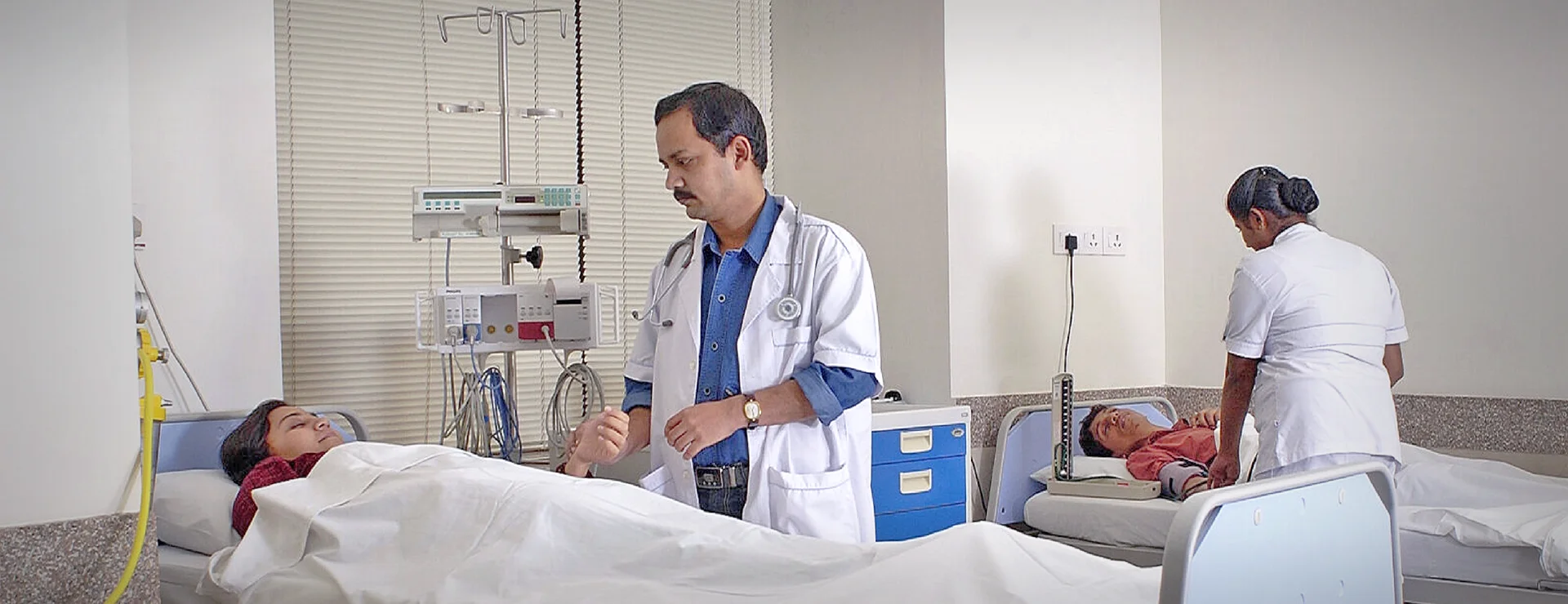
Benefit from the expertise of our experienced Hepatologists for precise diagnosis and tailored therapies that meet your individual needs.
Personalized Treatment Plans for Enhanced Quality
Our comprehensive approach ensures that patients are provided with customised care to manage their condition and improve their quality of life.
Ethical and Informed Medical Advice
We strive to provide our patients with the best possible care, using the latest advances in medical technology.
Quick Query
Enter your full name and phone number to get a quick resolution to your recovery. Our team will contact you at earliest.
About Our Hepatology Department
Are you seeking the top hepatologists in Mumbai? Look no further than the Hepatology Department at AHI.
The hepatology specialty was previously considered a sub-specialty of gastroenterology. Due to the rapid increase in the incidence of liver-related disorders and the need for specialized liver care in recent decades, it was established as an independent specialty. The Department of Hepatology at the Asian Heart Institute is a specialized medical department that focuses on the prevention, diagnosis, and treatment of diseases affecting the liver, gallbladder, biliary tree, and pancreas.
Disorders and complications associated with viral hepatitis and alcoholism are the most common reasons why patients require specialized hepatology care. As per reports, about 80% of liver cancers are caused by either the hepatitis B or C viral infection. Such infections are second only to smoking among known agents causing cancer. Proper vaccinations and timely screening can potentially lower such infection rates. The cases of excessive alcoholism are widely increasing, and so is the number of patients suffering from Alcoholic Liver Disease (ALD). ALD is a common cause of liver cirrhosis if left untreated. Liver cirrhosis may ultimately lead to liver cancer.
Therefore, if the right care is received at the right time, most liver cancers are preventable. The Hepatology Department at AHI is equipped with advanced immunization regimens and state-of-the-art therapeutic facilities, enabling comprehensive liver care for the effective management of hepatitis, alcoholic liver disease (ALD), and cirrhosis. The trained hepatologists at AHI hold high expertise to halt liver disease at the early stage and provide the best possible care for end-stage liver diseases.
Scroll down to learn more about the conditions we treat and the services we provide.
Conditions We Treat
The following are the common conditions that are treated at the Hepatology Department of AHI:
- Hepatitis infections: Inflammation of the liver tissue due to viral, toxic, or immune-related factors.
- Fatty liver disease (alcoholic and non-alcoholic): Excess fat accumulation in the liver tissue, causing impaired liver function.
- Jaundice: Yellowing of the skin and eyes due to elevated bilirubin levels.
- Cirrhosis: Advanced scarring of the liver tissue causing irreversible functional damage.
- Metabolic liver diseases: Disorders affecting liver metabolism, such as Wilson’s disease (copper buildup) or hemochromatosis (iron overload),
- Liver cancer: Abnormal proliferation of liver cells.
- Pancreatitis: Inflammation of the pancreatic tissue, causing abdominal pain and digestive complications.
- Pancreatic cancer: Abnormal proliferation of pancreatic cells.
- Gallstones: Hardened deposits obstructing bile flow.
- Gallbladder cancer: Abnormal cell proliferation in gallbladder lining.
- Cholecystitis: Inflammation of the gallbladder, commonly due to infection or stones.
- Choledocholithiasis: Presence of stones in the common bile duct causing blockage.
- Bile duct adenomas: Noncancerous tumors developing within the bile ducts.
- Bile duct cancer: Cancers of the biliary drainage system.
- Drug overdose (like paracetamol poisoning): Drug-induced liver injury due to excessive intake of a specific drug.
- Portal hypertension: Bleeding caused by increased pressure in the liver’s blood flow.
Liver storage diseases in children: Enzyme defects leading to liver enlargement. - Ascites: Abdominal fluid accumulation commonly due to advanced liver disease.
- Advanced liver disease: Severe liver impairment requiring specialist hepatology care.
- Infectious liver conditions: Fever-associated infections, including tropical parasitic diseases.
- Haemochromatosis: Iron overload disorder causing progressive liver damage..
Alcohol- or gallstone-related pancreatitis: Pancreatic inflammation triggered by alcohol use or gallstones. - Hepatobiliary and pancreatic cancers: Complex malignancies managed through a multidisciplinary approach.
Advanced Diagnostic & Treatment Services
The following are the diagnostic services available at the Hepatology Department of AHI:
- Liver Function Test: These are simple blood tests that measure different substances present in our liver. The advise this test for evaluating the levels of alkaline phosphatase (ALP), alanine transaminase (ALT), aspartate aminotransferase (AST), gamma-glutamyl transferase (GGT), proteins such as albumin, bilirubin, and lactate dehydrogenase (LDH). It also includes the prothrombin time (PT) test.
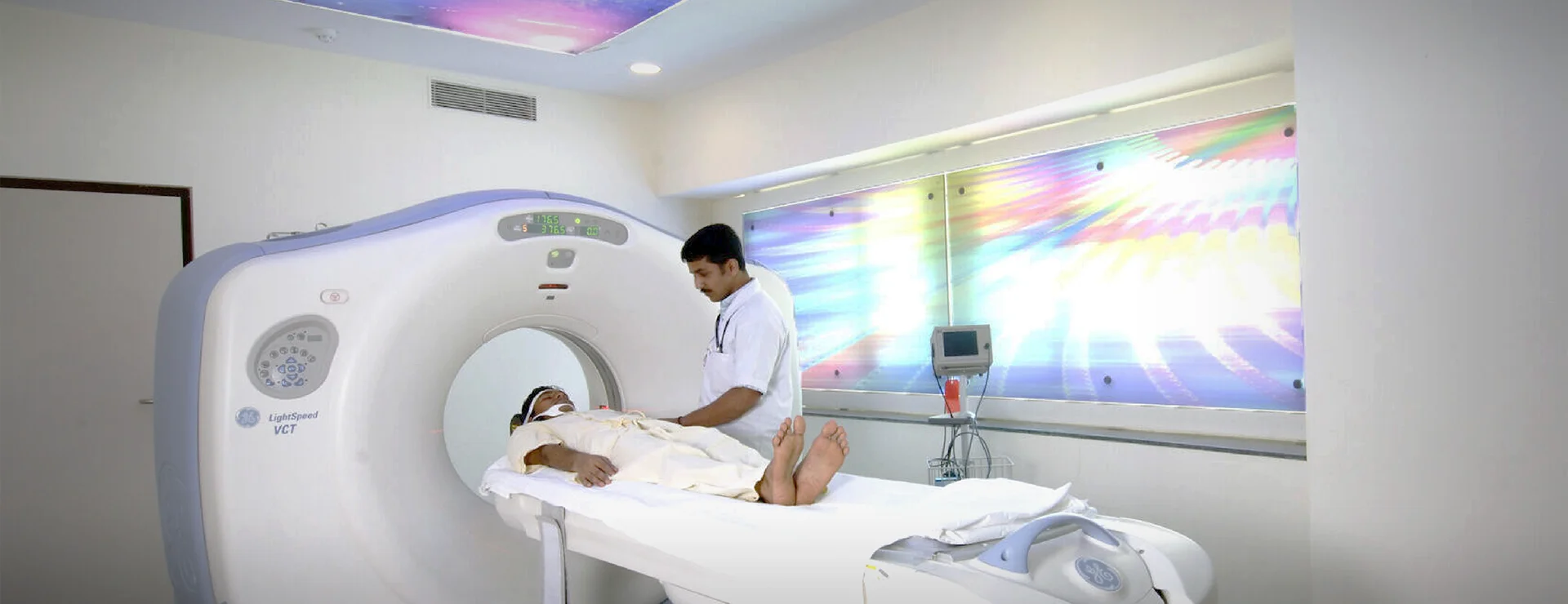
- Liver Imaging: It involves liver imaging tests such as ultrasounds, CT scans, MRCP (Magnetic Resonance Cholangiopancreatography), Endoscopic retrograde cholangiopancreatography (ERCP), Transhepatic pancreato-cholangiography, or MRIs.
- Liver biopsy: The liver tissue sample is taken to diagnose the underlying condition.
Fibroscan (also known as Transient Elastography): It is a painless and noninvasive alternative test to liver biopsy for the evaluation of the stage of liver fibrosis. - Viral Hepatitis Panel: These are simple blood tests that are advised to diagnose hepatitis A, B, C, and E infections and assess viral load.
- Autoimmune Liver Disease Tests: The autoimmune markers like ANA, AMA, ASMA, and IgG levels are evaluated with these tests.
- Tumor Marker Tests: Tumor markers like alpha-fetoprotein (AFP) are evaluated for screening and monitoring liver cancer.
- Metabolic and Genetic Testing: These tests are done to diagnose genetic and metabolic disorders.
- Ascitic Fluid Analysis: Evaluation of abdominal fluid to determine the cause of ascites or infection.
- Upper GI Endoscopy: It is advised to assess esophageal or gastric varices in patients with portal hypertension.
- Doppler Ultrasound: Blood flow in hepatic and portal veins is evaluated to detect portal hypertension or thrombosis.
- Elastography (advanced modalities): Additional stiffness assessment techniques to monitor liver fibrosis progression.
- Liver Cancer Screening Protocols: Regular imaging and blood tests are advised for high-risk patients.
The following are the treatment services available at the Hepatology Department at AHI:
- Endoscopic variceal band ligation
- Endoscopic sclerotherapy for variceal bleeding
- Therapeutic ERCP for bile duct stone removal and biliary stenting
- Antiviral therapy for hepatitis B and C
- Medical management of alcoholic liver disease and non-alcoholic fatty liver disease (NAFLD/NASH)
- Immunosuppressive therapy for autoimmune liver diseases
- Management of hepatic encephalopathy
- Liver cancer treatment procedures
- Transarterial chemoembolization (TACE)
- Radiofrequency ablation (RFA)
- Liver transplantation
- Ascites management, including therapeutic paracentesis
- Management of portal hypertension–related complications
Why Choose Asian Heart Institute for Liver Care?
Asian Heart Institute has a team of the best hepatologists in Mumbai. Our well-trained hepatologists hold high expertise in the assessment and treatment of liver-related conditions. They provide personalized treatment plans to meet each patient’s unique needs. Following a comprehensive and patient-centric approach, we ensure that patients receive the best possible care to enhance their quality of life.
FAQs
Q1: What symptoms indicate that I need hepatology care?
A: Symptoms such as jaundice, persistent fatigue, abdominal swelling, unexplained weight loss, abdominal pain, or abnormal liver test results indicate the need for hepatology evaluation.
Q2: Can liver cirrhosis be reversed?
A: Cirrhosis cannot usually be reversed, but early treatment can slow or stop its progression and prevent complications.
Q3: How is hepatology care at AHI different from other centers?
A: AHI offers expert hepatologists, advanced diagnostics, personalized treatment plans, and comprehensive care for both early and advanced liver diseases.

Shweta Gehi
Patient’s Caregiver
We are thankful to all the doctors and staff for their incredible service.
Image Gallery