State-of-the-Art Facility for Procedures
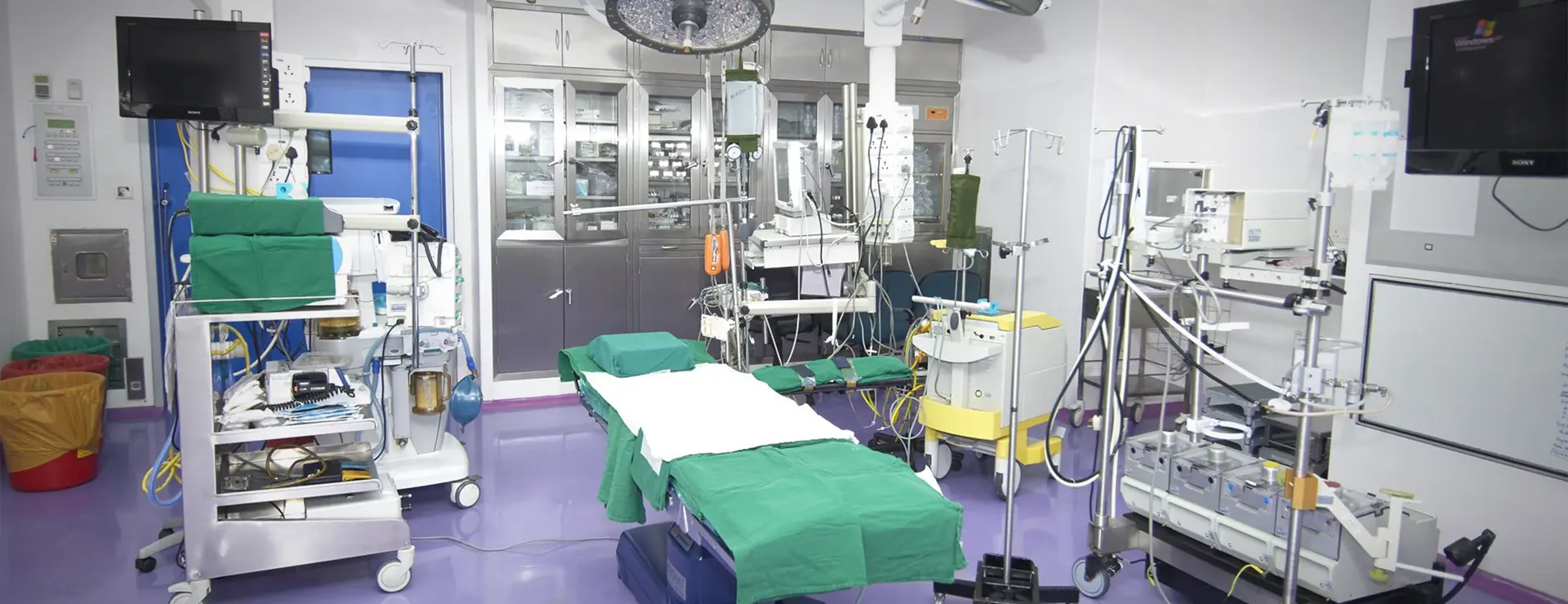
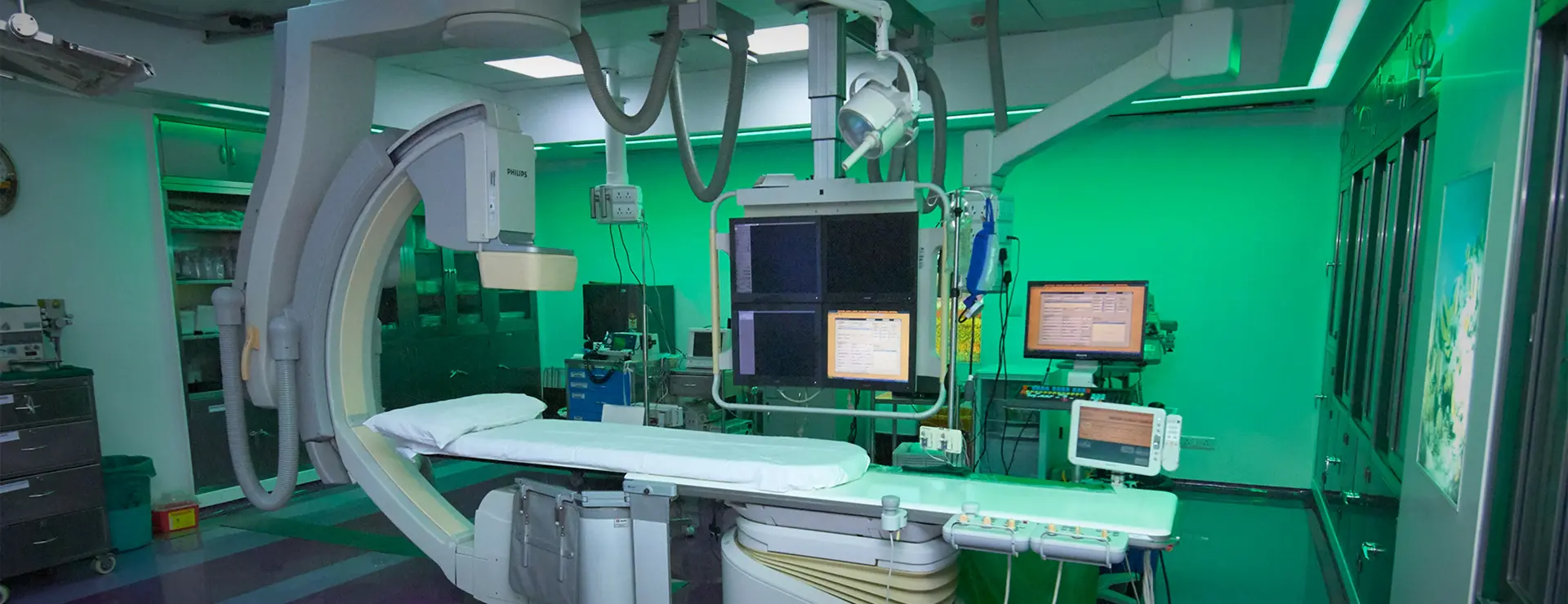
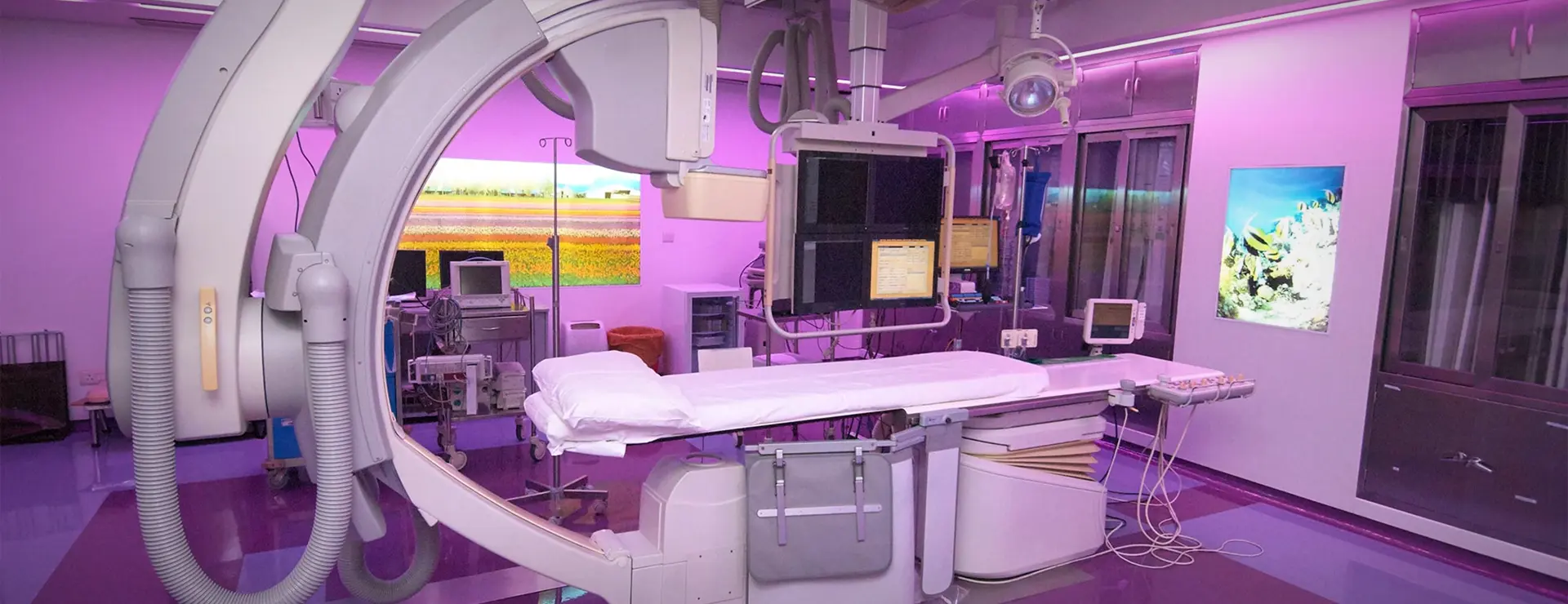
Our advanced healthcare complex with 8 operating theatres equipped with state-of-the-art negative pressure systems ensures a seamless procedure.
Prestigious and World Class Expertise in Surgery
Our surgical team, with international fellowships in Congenital and Neonatal Surgeries and expertise in GUCH conditions, ensures top-quality patient care.
Quick Recovery and Shorter ICU and Hospital Stays
With short 2 days ICU stays, fewer re-intubations/readmissions, and average hospital stays of 6 days, we aim for fast patient recovery.
Specialisation and Expertise in GUCH Cases
Our team excels in Grown-up congenital heart (GUCH) cases, including Atrial Septal Defect Repair, providing expertise in a range of scenarios, including Redo Surgeries when necessary.
Comprehensive and Holistic Post-Operative Support
Beyond surgery, our facility offers a dedicated rehabilitation centre and comprehensive in-house services to support post-operative recovery for both paediatric and adult patients.
Atrial Septal Defect Repair at Asian Heart Institute, Mumbai, comes with advanced technology such as transcatheter device closure and minimally invasive surgical repair, including robotic-assisted surgery. This helps offer a highly precise way to allow for a quicker return to normal activities.
Every procedure is customized to the needs of the patient and backed by the best heart surgeons, like Dr. Ramakanta Panda (47 years of experience and a milestone of completing 29,000 Cardiac Surgeries, including more than 2,000 redo surgeries and over 6,000 high-risk surgeries), to improve heart function.
What is Atrial Septal Defect (ASD) Repair
It is a procedure to close an atrial septal defect (ASD), which is a hole in the heart between the two upper chambers of the heart.
It is Also Known as:
- ASD Closure
- Transcatheter ASD Closure
- Percutaneous ASD Repair
Are Babies Born With Small Holes?
Yes, every baby is born with a small opening there, which generally closes a few weeks or months after birth. However, sometimes a baby is born with a bigger hole (atrial septal defect) that doesn’t close properly. Atrial septal defect (ASD) repair helps close this hole.
When is it performed?
It is performed when a hole in the heart's upper chambers (atria) is big enough to cause symptoms or risk future heart or lung problems. It is typically recommended between ages 2 and 5, before school.
Types of ASD Repair
The best heart doctor will decide the types of ASD Repair based on ASD's size, location, and type.
There are 2 primary types:
1. Catheter-Based Closure (Percutaneous)
A thin tube (catheter) is guided from a vein in the groin to the heart. It uses the Amplatzer Septal Occluder to close single holes and the Amplatzer Cribriform for more complex defects that have multiple holes (known as multifenestrated ASDs).
It has the following benefits:
- Minimally invasive
- Quick recovery
- Lesser pain
- Minimal scarring
2. Open-Heart Surgery
It involves a chest incision to sew the hole with synthetic material or pericardium.
It has various minimally invasive variants such as:
- Keyhole surgery
- Robot-assisted procedures
- Thoracoscopic approaches via small incisions
ASD Repair Procedure Steps
Here is the general procedure:
A. Catheter-Based Closure (Percutaneous) Procedure
Generally recommended for secundum ASDs
- Access: (A small incision is made, usually in the groin, to access the femoral vein.)
- Guidance: (A long, thin catheter is guided through blood vessels to the heart using fluoroscopy or echocardiography.)
- Device Delivery: (A self-expanding closure device (Amplatzer Septal Occluder or the Amplatzer Cribriform) is passed through the catheter to the ASD.)
- Deployment: (The device opens and seals the hole; heart tissue slowly grows around it.)
- Completion: (The catheter is removed, leaving the device permanently in place.)
B. Open-Heart Surgery Procedure
Generally recommended for large ASDs and specific types (primum, sinus venosus)
- General anesthesia (To ensure comfort and immobility.)
- Incision (A surgical incision is made in the chest to reach the heart.)
- Heart–Lung Bypass (Blood circulation is temporarily maintained with the help of heart–lung machine, as the heart is temporarily stopped.)
- Defect Repair (The atrial septal defect is closed using sutures or a surgical patch. The patch material may include bovine (cow) pericardium or synthetic materials such as Dacron or Gore-Tex.
- Heart Restart (Normal blood flow is restored.)
- Closure (The chest incision is closed and the patient is moved to recovery.)
What is the Risks of ASD Repair
The risk is generally low; however, like any other procedure, it can lead to:
- Bleeding
- Infection
- Blood Clots
- Irregular Heartbeats
- Device moves
What Is the Success Rate of ASD Treatment?
It depends on various factors. The procedure usually takes between 1 and 2 hours and the success rate is about 95%. Cumulative survival is good (86% after 50 years).
Who is the Right Candidate?
The selection is based on ASD size (>5-10 mm, generally catheter-eligible), location (secundum is best for devices; primum/sinus venosus needs surgery), and other individual factors.
Who May Not be The Right Candidate?
A patient with the following condition may not be the right candidate:
- Severe, irreversible pulmonary hypertension
- Active Infection.
- Bleeding Disorders.
- Other serious comorbidities.
- Cost of Atrial Septal Defect Repair in Mumbai
The cost depends on complexity of the case, location, type of hospital, advanced procedures, inclusion, surgeon's expertise, device type, etc.
Catheter-Based Closure (Percutaneous): Price may range between ₹1.5 Lakhs and ₹3 Lakhs
Open-Heart Surgery: Price may range between ₹2.5 Lakhs and ₹5 Lakhs.
Why Choose Asian Heart Institute for ASD Treatment
Because of our following qualities:
- Specialized cardiac expertise
- Advanced infrastructure tailored for both catheter-based and surgical repairs.
- Experienced surgeons with fellowships in congenital and neonatal heart surgery handle complex cases.
- Robotic-assisted options.
- 5,00,000+ patients treated.
- 99.83 % success rate.
- Successful 5,500+ complex surgeries.
- 24x7 Emergency, ambulance, and ICU services.
- Comprehensive and holistic postoperative support.
Image Gallery



FAQs
ECHO confirmation to check for suitability for Device Closure. We have in-house Paediatric Cardiologists who are well-trained in doing Device Procedures. If the device is suitable, the child will not require Open-Heart Surgery. Patients should be free of infections like cold cough or fever.
It is an Open-Heart Surgery. The child is put on a heart-lung machine, and the defects are corrected surgically.
- Maintaining good hydration and nutrition before the procedure.
- During the procedure, because the child is in the ICU, maintaining overall good hygiene in and around the child.
- Regular follow-ups for wound care as prescribed, continuing the medication prescribed and echo follow-up after a month.
- Maintaining good nutrition, hydration and hygiene at home and avoiding crowded places for 6 weeks.
- If multiple children are at home, then distancing them from the operated child.
Regular ECHO follow-up for a year and then as per the advice of the treating doctor.
Yes, if the procedure is done at the right age, the child can also participate in sports activities at the professional level (3-5 years is the right age to get the procedure done). We insist on ECHO follow-up.
It depends on individual factors. It is generally considered an effective method for long-term benefit.
The age is typically around 4 to 5 years old for asymptomatic children, preferably before school age.
Yes, an individual can live a normal life, especially if treated early.
In 2011, I thought it was the end of my active life. But after my Angioplasty, I started running marathons!
Harshad Sheth
Patient
Not sure how to get started?
We are here to help you. To start the process get in touch with our team to get your queries addressed. We get back to you soon to help to start your heart care journey with us.
Quick QueryOur Specialists
View All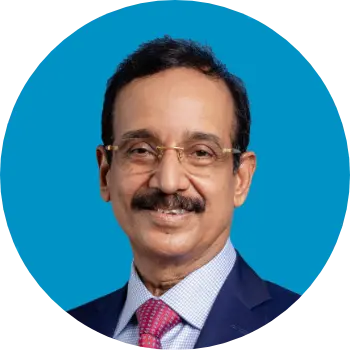
Dr. Ramakanta Panda
Cardiac Surgeon, Founder & Chairman
We want to give patients the three most invaluable gifts of life - Hope, Healing and Happiness.
Know
Dr Tilak Suvarna
Cardiologist
At AHI, we never say no. It is our moral and ethical duty to do our best for patients.
Know
Dr. Asifa Shaikh
Assistant Medical Administrator
After every patient is healed, earning their trust is our highest reward and the most fulfilling.
Know