Advanced Aortic Aneurysm Care Based on Individual Needs
At Asian Heart Institute, treatment planning for aortic aneurysms focuses on selecting the most appropriate and safest approach for each individual. Depending on the health condition, treatment may include medical management and surveillance, open aortic aneurysm repair, or endovascular aortic aneurysm repair (EVAR/TEVAR).
Comprehensive Evaluation for Treatment Planning
A detailed assessment is done to determine whether an aneurysm requires continued monitoring or repair. Our specialists consider the location and size of the aneurysm, how quickly it is growing, symptoms, anatomical characteristics, and other medical conditions that may interfere with the treatment or pose surgical risk.
Open and Minimally Invasive Aneurysm Repair Options
Aortic aneurysm repair can be performed through conventional open surgery or an endovascular approach (a minimally invasive procedure). The choice between these two depends on the individual patient's anatomy and clinical condition.
Aneurysm Repair at Asian Heart Institute
An aneurysm is a weak or expanded part of an aortic wall, like a bulge in a balloon. The aorta is the main artery carrying blood from your heart to the rest of your body. An aortic aneurysm damages the aorta, leading to life-threatening complications. Not every aneurysm needs immediate surgery. Smaller aneurysms may be managed with the help of regular monitoring, healthy lifestyle changes and measures that lower cardiovascular risk. If the aneurysm ruptures or dissects, a person needs surgery right away. At Asian Heart Institute, our multidisciplinary team determines the treatment for your aortic aneurysm based on its size, location, and the factors that put you at risk. If recommended, our thoracic or vascular surgeon performs conventional open surgery or an endovascular aneurysm repair (EVAR) with great precision and excellent post-operative outcomes.Why Choose Us for Aneurysm Repair in Mumbai
Aortic aneurysm treatment demands careful assessment and the judgement to select the right repair technique. Experts at the Asian Heart Institute focus on a patient-centred approach that integrates advanced diagnostics, multidisciplinary expertise, and minimally invasive surgical techniques. This helps us offer you a complete treatment that addresses the aneurysm while taking into consideration the individual's overall health and long-term needs. Our approach focuses on:- Individualised aneurysm evaluation
- Appropriate selection between open and minimally invasive surgical repair techniques
- Advanced imaging for treatment planning
- Management of cardiovascular risk factors
- Perioperative and postoperative care
- Long-term follow-up and surveillance
Types of Aortic Aneurysm Repair
Depending on the cause or size of an aortic aneurysm or how quickly it is growing, your doctor may recommend one of two types of surgery to repair it. Rupture or dissection of an aneurysm may require emergency surgery.Open Aortic Aneurysm Repair (Traditional Open Surgery)
With an open aneurysm repair, or standard repair, surgeons make an incision near the aortic aneurysm to give direct sight of the aneurysm during the procedure.Endovascular Aortic Aneurysm Repair (EVAR/TEVAR)
This is a less invasive aneurysm repair procedure. For abdominal aortic aneurysms, the procedure is commonly known as EVAR (Endovascular Aneurysm Repair). For suitable thoracic aortic aneurysms, the procedure may be referred to as TEVAR (Thoracic Endovascular Aortic Repair). During the procedure, the surgical team makes a small cut, generally in the groin, then guides a stent graft — a tube covered with fabric — via the blood vessels up to the aorta.Aortic Aneurysm Stent Procedure
An aortic aneurysm stent procedure uses a stent graft to reinforce a weakened section of the aorta.How to Prepare for Aortic Aneurysm Repair
Follow the following advice if recommended by your doctor or surgical team:- Keep a record of symptoms.
- Share your allergies, previous surgeries, and complete medical history.
- Attend a complete medical and cardiovascular evaluation.
- Inform them about the medications and supplements you are currently taking.
- Appropriate management of blood pressure, cholesterol, diabetes, and other medical conditions.
- Stop smoking.
- Follow instructions regarding food, fluids, and medications before the procedure.
Patient Testimonial
“I was treated at the Asian Heart Institute for my aneurysm, and the care was exceptional. The team explained everything clearly and used a minimally invasive approach. I am living a fulfilling, healthy life. I am grateful to the entire team for their expertise, professionalism, and kindness." – NishantImage Gallery
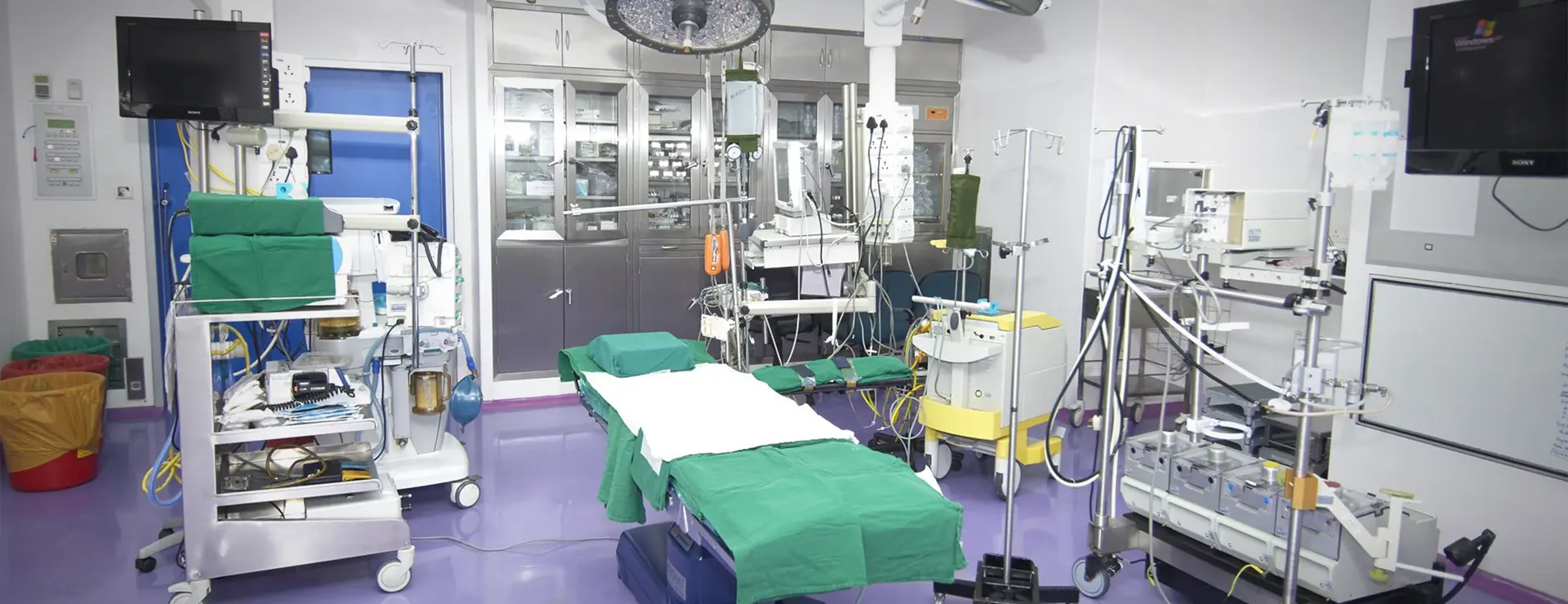

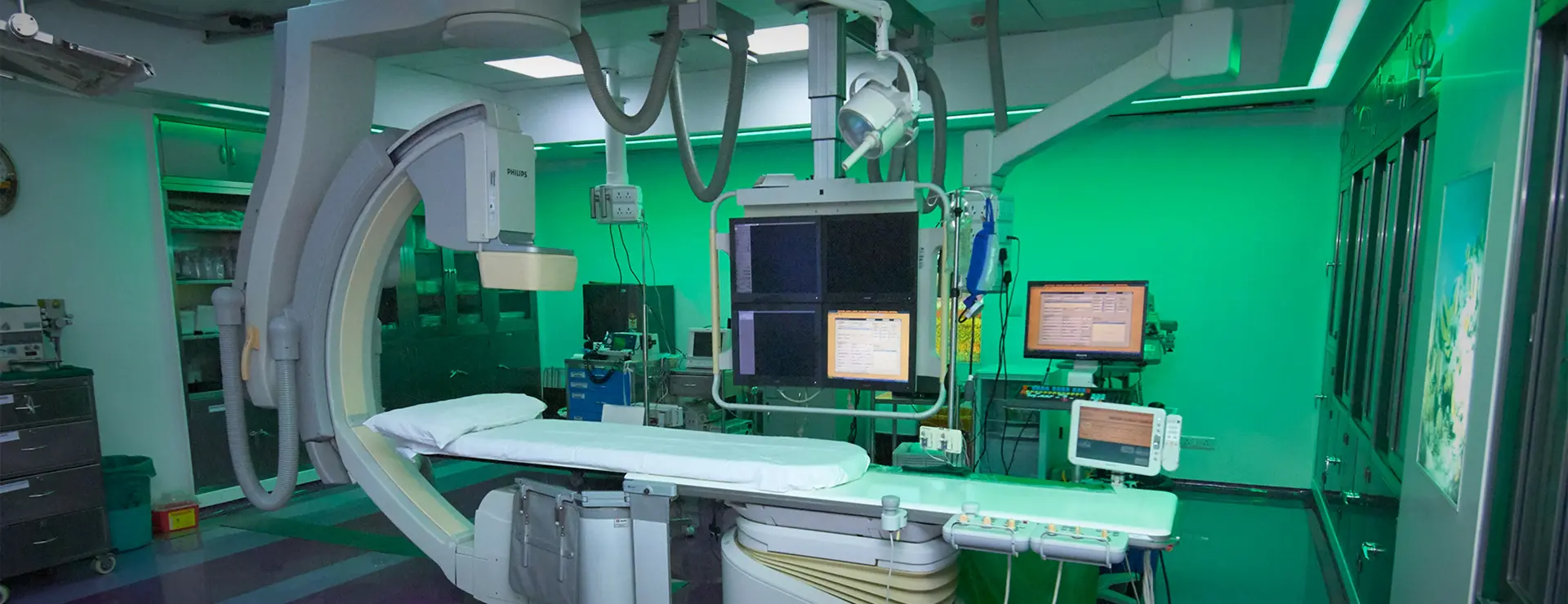


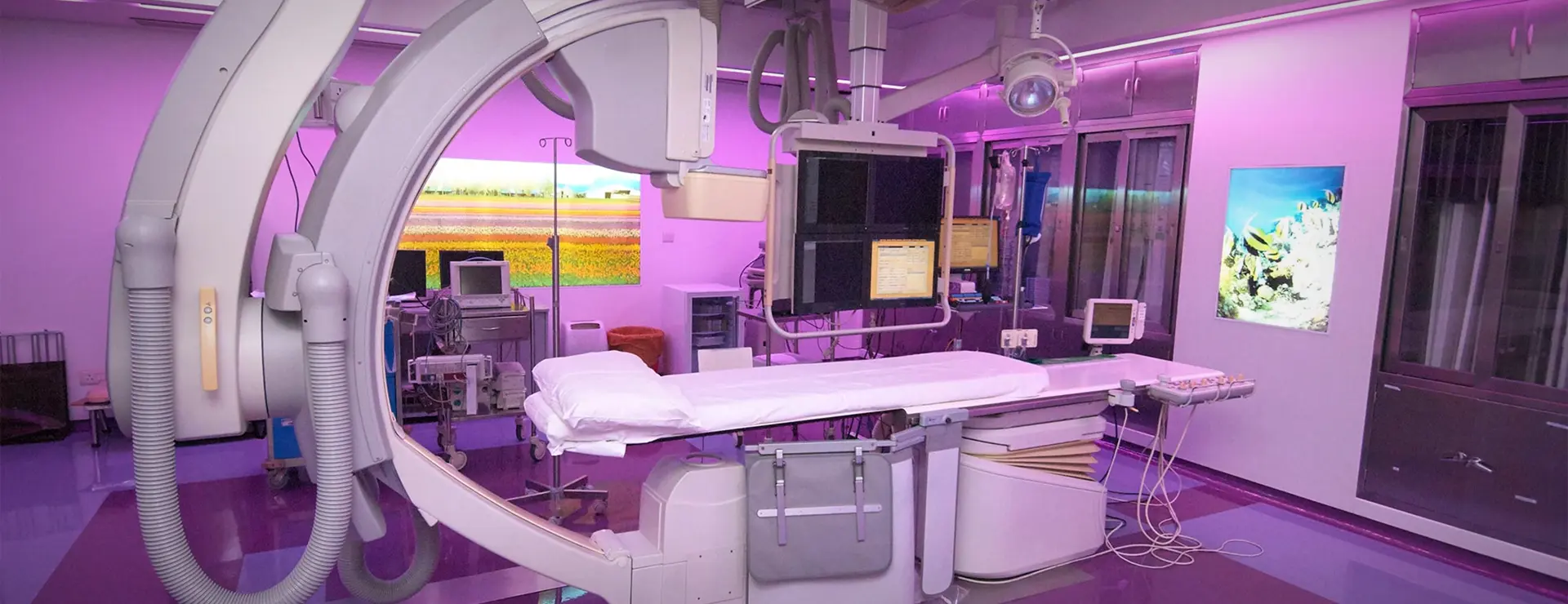
How to Prepare for this Procedure
Consultation with a Surgeon with reports. This will usually require a CT Scan, Angiography, as well as Echocardiography along with blood tests.
May need an ICU stay preoperatively. This procedure is a long surgery. Sometimes, the heart valve may need to be changed.
Regular follow-up is important. Participate in patient care by helping the patient. Understand and follow the care plan.
Follow the discharge instructions properly. Valve surgery requires special care. Regular long-term follow-up is necessary.
Individuals who have a ruptured or dissected aortic aneurysm may require aneurysm surgery. It is a life-saving emergency surgery. Other people may need the surgery if they have an aneurysm that’s at risk of rupturing but hasn’t yet.
In 2011, I thought it was the end of my active life. But after my Angioplasty, I started running marathons!
Harshad Sheth
Patient
Not sure how to get started?
We are here to help you. To start the process get in touch with our team to get your queries addressed. We get back to you soon to help to start your heart care journey with us.
Quick QueryOur Specialists
View All
Dr. Ramakanta Panda
Cardiac Surgeon, Founder & Chairman
We want to give patients the three most invaluable gifts of life - Hope, Healing and Happiness.
Know
Dr Tilak Suvarna
Cardiologist
At AHI, we never say no. It is our moral and ethical duty to do our best for patients.
Know
Dr. Asifa Shaikh
Assistant Medical Administrator
After every patient is healed, earning their trust is our highest reward and the most fulfilling.
Know