Accurate Diagnosis for Effective Treatment
Our Cystoscopy diagnostic and therapeutic Procedures enable accurate diagnosis of urinary system issues and precise interventions for improved urinary health.
Comprehensive Urinary System Examination
From the opening of the urinary passage to the urinary bladder and beyond, we provide a thorough examination of the entire urinary system, ensuring accurate treatment and overall well-being.
Advanced Therapeutic Interventions
Cystoscopy aids various therapeutic applications, including Urethral Dilatation, Stone Disease treatment, Bladder Tumour Removal, and Biopsies, offering tailored interventions for urinary issues.
Cystoscopy Test, Surgery & Procedure in Mumbai at AHI
The cystoscopy procedure is a minimally invasive diagnostic test to examine the bladder and urethra. It is often recommended when patients have recurrent urinary problems or discomfort. In some cases, cystoscopy surgery may be performed to remove bladder stones or tumors.
Why You May Need Cystoscopy Surgery?
Cystoscopy surgery is beneficial in diagnosing and treating bladder cancer, urinary tract infections and other problems. The procedure is safe, quick and usually performed on an outpatient basis.
Recovery from Cystoscopy
After the cystoscopy procedure, patients may experience mild discomfort. However, recovery is usually rapid, and most patients can resume normal activities within a day or two.
Image Gallery






How to Prepare for this Procedure
Before a Cystoscopy procedure, patients should follow specific preparation guidelines to ensure a smooth and safe experience. These may include providing a detailed medical and surgical history, adjusting medications as advised, fasting for a minimum of 6 hours prior, and possibly taking antibiotics just before the procedure. Patients should arrange for transportation after the procedure; emptying the bladder is not necessary; wear comfortable clothing; address any concerns with the Urologist; and plan for recovery time. Following the Urologist’s instructions carefully is essential for a successful and comfortable Cystoscopy.
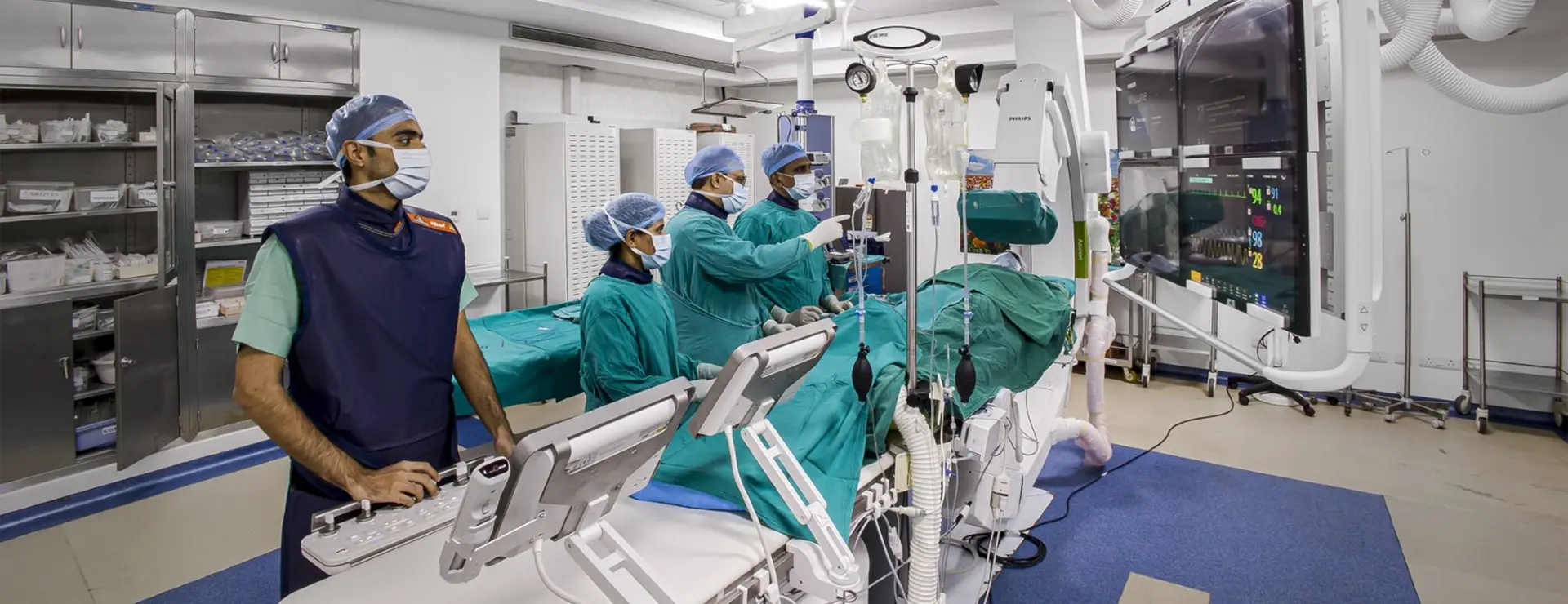
Cystoscopy is a relatively short and routine procedure that allows the urologist to assess the condition of the lower urinary tract and diagnose or treat any urological issues effectively. The activity during the procedure revolves around the careful examination of the urinary tract using the Cystoscope and addressing any abnormalities or concerns as necessary. During a Cystoscopy procedure, the patient can expect the following activities:
- Preparation: Before the procedure begins, the patient will be taken to the examination room and asked to change into a hospital gown. They will lie down on an examination table, and the urologist or medical staff will prepare the necessary instruments and equipment.
- Anaesthesia: In some cases, a Cystoscopy may be performed under local anaesthesia, where the urethra is numbed with a gel or spray. In other cases, general anaesthesia, sedation, or sometimes even spinal anaesthesia, depending on the underlying reason for the procedure, may be used to make the patient more comfortable during the procedure.
- Insertion of the Cystoscope: The Urologist will gently insert a cystoscope into the urethra, which is the tube that carries urine from the bladder to the outside of the body. The cystoscope is a thin, flexible, or rigid tube with a light and a camera on the end, allowing the Urologist to see the inside of the urinary tract.
- Visualisation of the Urinary Tract: As the cystoscope is advanced through the urethra and into the bladder, the Urologist will carefully examine from the opening at the exterior, which is also known as the external urethral meatus, to the lining of the urethra and the urinary bladder, along with the calibre of these structures from the opening outside till the bladder neck and bladder walls, inside the bladder for ureteric openings and any abnormalities in the bladder. The camera on the cystoscope displays real-time images on a monitor, enabling the Urologist to assess any abnormalities or issues.
- Irrigation and Biopsy (if necessary): During the procedure, the Urologist may perform irrigation, where a sterile solution is used to fill the bladder, helping to visualise its walls more clearly. If any suspicious areas are identified, the urologist may take a biopsy, which involves removing a small tissue sample for further examination.
- Removal of the Cystoscope: Once the examination is complete, the cystoscope will be gently removed from the urethra.
- Recovery: After the Cystoscopy, the patient may be catheterised i.e., a tube is put temporarily in place to drain the urine until the effect of anaesthesia wears off. Then the patient is moved to a recovery area where they will be monitored until the effects of any anaesthesia or sedation have receded completely. The patient may experience some mild discomfort or urinary urgency after the procedure, which is normal and should subside with time and appropriate medications.
- Post-procedure Discussion: The Urologist will typically discuss the findings of the Cystoscopy with the patient and may provide additional instructions or recommendations based on the results.
- Before the Cystoscopy Procedure: Accompany the patient to the medical facility. Assist with preparation and follow pre-procedure instructions. Be an advocate for the patient’s concerns and questions.
- During the Cystoscopy Procedure: Offer reassurance and stay nearby if allowed. Stay informed and relay updates to others if necessary.
- After the Cystoscopy Procedure: Provide post-procedure care and help during recovery. Monitor for complications and seek medical help if needed. Encourage rest and adherence to post-procedure instructions. Offer emotional support throughout the process.
- Rest and stay hydrated.
- Expect mild urinary discomfort, which should improve gradually.
- Manage pain with recommended medications.
- Watch for signs of infection or complications.
- Attend follow-up appointments with the Urologist.
- Resume normal activities gradually.
- Monitor urine colour for changes.
- Seek emotional support if needed.
While a Cystoscopy may cause some discomfort (if at all) and can be treated with appropriate medications, it is usually not painful. The Urologist will use appropriate anaesthesia or numbing gel to minimise any discomfort during the procedure. After the Cystoscopy, you may experience mild urinary discomfort, which should improve gradually. If you have concerns about pain management during the procedure, don’t hesitate to discuss them with your Urologist beforehand. They will ensure you are as comfortable as possible throughout the procedure.