Extensive Experience and Expertise
Our extensive expertise in complex procedures like Mitral Valve Repair/Replacement provides patients with the assurance of being treated by experienced specialists.
Proven Expertise Resulting in High Success Rate
Our outstanding success rate in Mitral Valve Repair/Replacement indicates the effectiveness of our procedures and successful outcomes for our patients.
Comprehensive and Protocol-driven Care
We emphasize a protocol-driven approach before and after surgery, ensuring a well-structured and comprehensive treatment plan that contributes to positive results for patients.
Why Choose AHI for Mitral Valve Replacement Surgery in Mumbai?
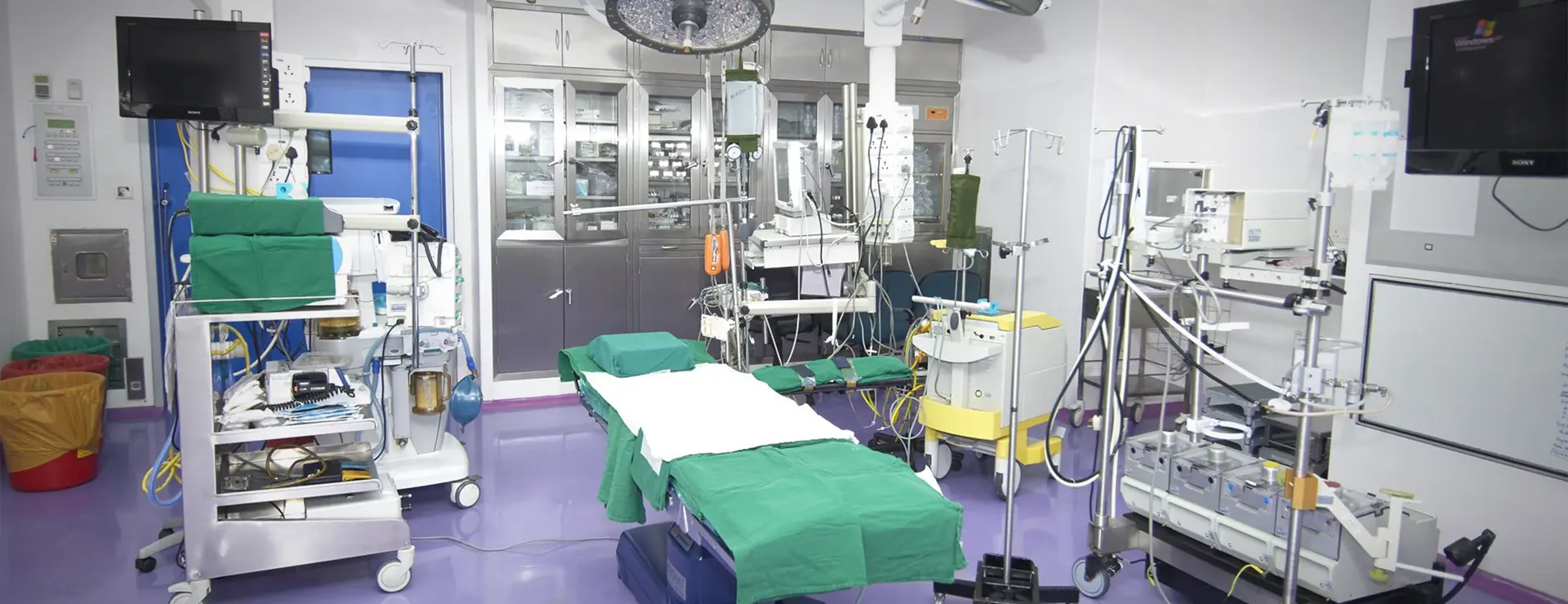
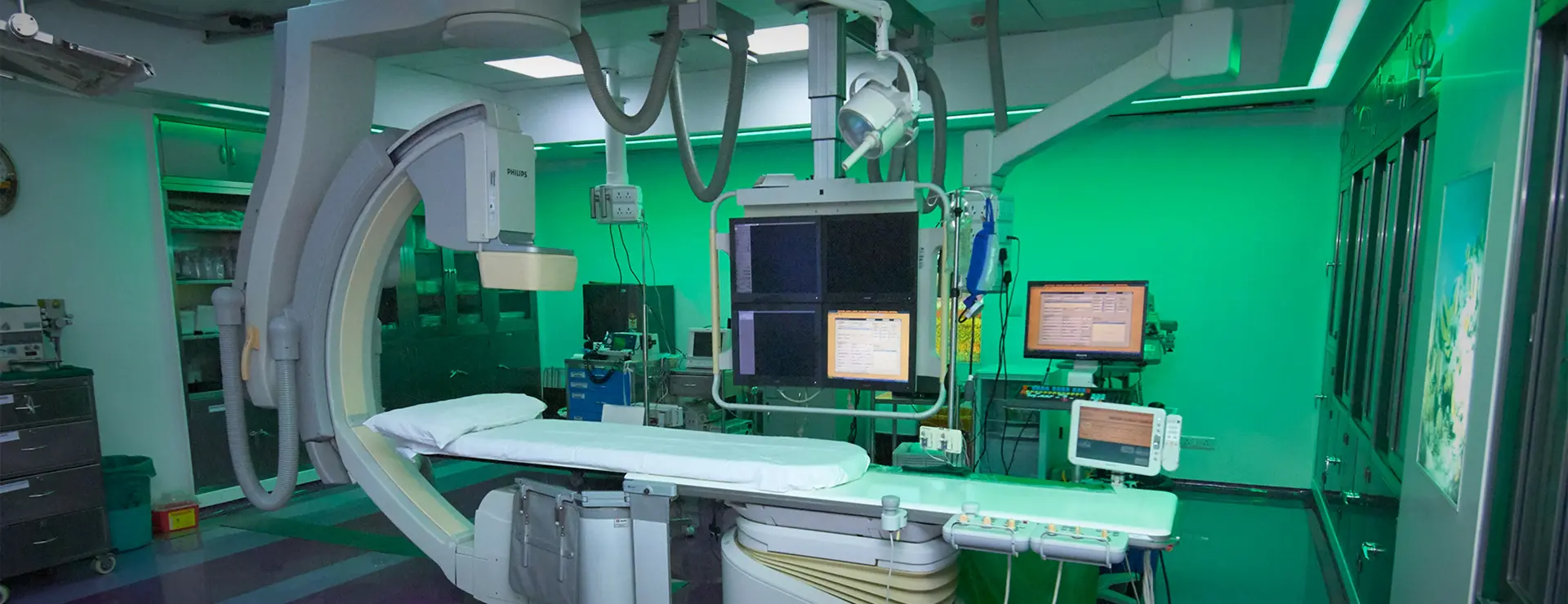
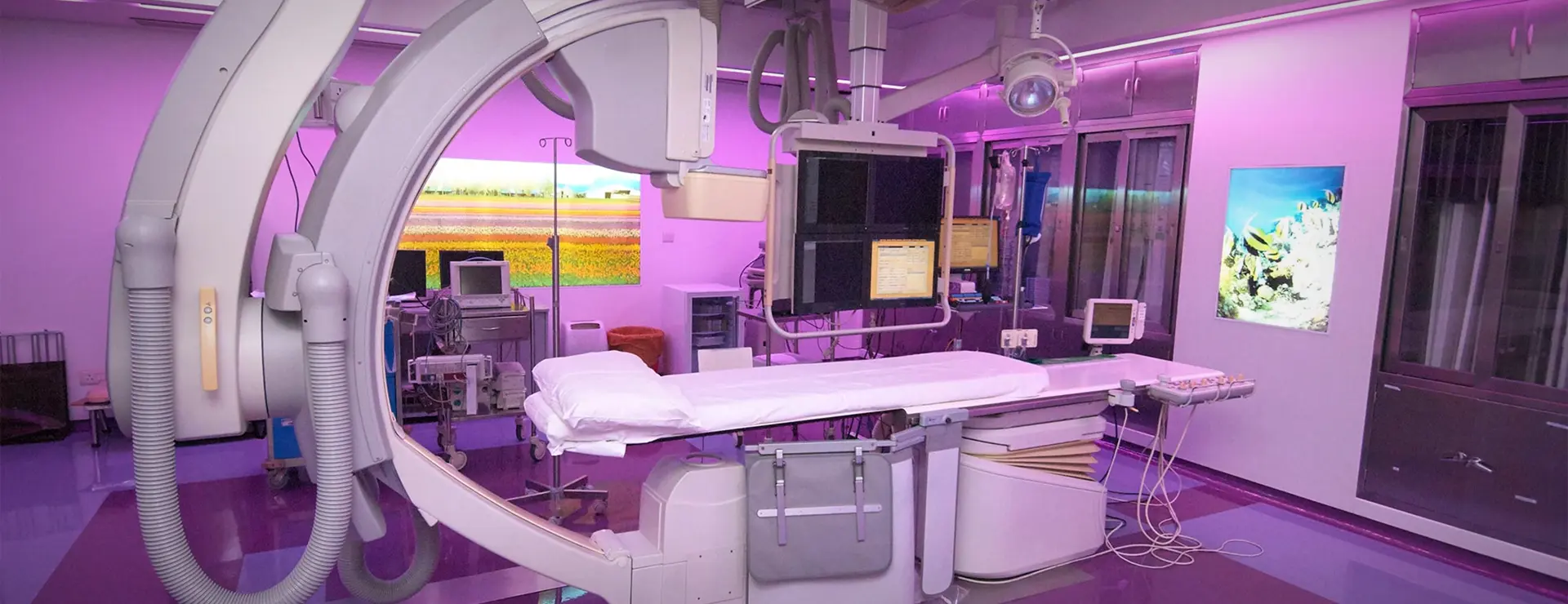
At the Asian Heart Institute, internationally renowned and the leading mitral valve replacement surgeons in Mumbai, treat even complicated mitral valve diseases with high expertise and excellent precision. Our highly advanced cath labs and sophisticated patient monitoring systems dramatically improve the success rate of such life-saving surgeries. Our cutting-edge technology, strict patient safety guidelines, stringent infection control protocol, and specialized cardiac care teams provide exceptional surgical outcomes, faster recoveries, and high patient satisfaction.How to prepare for mitral valve surgery?
You need to prepare for mitral heart replacement surgery in AHI in the following ways:- You need to stop smoking days before the surgery.
- Your health history regarding your medications, implants, pregnancies, disorders (like bleeding disorders, diabetes, and high blood pressure), and allergies will be reviewed.
- A thorough physical examination will be done. Certain blood tests, blood clotting tests, or other diagnostic tests will be advised.
- Do not eat or drink for 8 hours before the procedure, generally after midnight if it is planned in the morning.
- You need to sign a consent form to provide permission to perform the surgery.
- You have to remove any jewelry or anything else that may interfere with the procedure.
- You need to wear a hospital gown and empty your bladder.
- Your care team will insert an IV (intravenous) line in your arm or hand.
- Your care team will attach electrodes to your body for perioperative monitoring, which will monitor the real-time values of your vitals such as heart rate, blood pressure, breathing, and blood oxygen level.
- You will lie straight on an operating table.
- Anesthesia will be administered.
- A breathing tube will be inserted into your neck.
- For on-pump valve replacement surgery, a heart–lung machine temporarily takes over the functions of your heart and lungs while the ventilator continues to manage your breathing.
- For off-pump valve replacement surgery, you will still be connected to a ventilator, which supports your breathing throughout the procedure.
- A catheter will be put inside your bladder for urine drainage.
- To drain stomach fluids, a tube will be sent to your stomach through your mouth or nose.
- The surgical site’s skin is cleaned with an antiseptic solution.
Image Gallery



FAQs
Consult your surgeon along with your ECHO report. Based on the findings, the surgeon may recommend additional tests, advise immediate surgery, or suggest careful monitoring until the condition reaches a specific stage. Many patients with mitral valve disease experience irregular heart rhythms, such as atrial fibrillation (AF), which may benefit from an additional procedure, like the Maze procedure. In some cases, the mitral valve can be repaired. However, if the planned repair does not produce satisfactory results during surgery, valve replacement may be necessary.
Depending on the stage and severity of the disease, the patient may be advised to take complete rest and begin preparation for surgery. This preparation typically includes a range of diagnostic tests, such as ECHO, angiography, CT scans, stress ECHOs, and blood tests. The specific investigations required depend on the type and progression of the condition. Some medications may need to be changed before surgery. In some cases, the patient’s kidney, lung, and brain function must be evaluated, and consultations with relevant specialists may be sought. Additionally, a comprehensive evaluation is conducted to rule out the presence of any active infection anywhere in the body, ensuring the safest possible surgical outcome. During the procedure, the patient is administered anesthesia. An incision is then made through the sternum to open the thoracic cavity, allowing the surgeon to perform open-heart surgery and replace the damaged mitral valve with either a mechanical or a biological valve, based on the patient’s condition and clinical suitability.
Before the surgery, caregivers should ensure the patient follows the treating doctor’s instructions carefully, including medications, investigations, and lifestyle recommendations. After the operation, the patient may need to follow dietary restrictions, adhere to a precise medication schedule, and undergo regular blood tests. Ongoing family support in managing medications, appointments, and daily activities can significantly aid recovery.
After the procedure, medications to support heart function may be prescribed and must be taken exactly as advised. Blood thinners are high-risk medications and require strict adherence to dosing schedules under medical supervision, along with regular blood tests. Maintaining good hygiene is essential to reducing the risk of infection. Regular follow-up visits are necessary to monitor valve function and overall heart health.
Broadly, there are two types of valves: mechanical valves (artificial) and tissue valves, which are derived from animal tissues. Tissue valves have a limited lifespan and may need replacement in the future, while mechanical valves are designed to last a lifetime but require lifelong blood-thinning medication. In general, tissue valves cost three to five times more than mechanical valves.
In 2011, I thought it was the end of my active life. But after my Angioplasty, I started running marathons!

Harshad Sheth
Patient
Not sure how to get started?
We are here to help you. To start the process get in touch with our team to get your queries addressed. We get back to you soon to help to start your heart care journey with us.
Quick QueryOur Specialists
View All
Dr. Ramakanta Panda
Cardiac Surgeon, Founder & Chairman
We want to give patients the three most invaluable gifts of life - Hope, Healing and Happiness.
Know
Dr Tilak Suvarna
Cardiologist
At AHI, we never say no. It is our moral and ethical duty to do our best for patients.
Know
Dr. Asifa Shaikh
Assistant Medical Administrator
After every patient is healed, earning their trust is our highest reward and the most fulfilling.
Know