Globally Recognised Cardiac Surgeons With Distinguished Surgical Skills
Our highly skilled and recognised team of heart transplant specialists ensures the best possible heart transplant outcomes for patients with Stage D/End-Stage Heart Disease.
Proven Track Record of 100% One Year Survival Rate
Our heart specialists hold high expertise in performing even complex heart transplants and maintaining a remarkable track record with a 100% one-year survival rate for heart transplant patients.
Comprehensive Expert-Driven Cardiac Care With Multidisciplinary Approach
We provide comprehensive expertise with a multi-disciplinary approach in all aspects of cardiac care, ensuring the best possible surgical outcomes and support throughout the transplant process.
Heart Transplant at Asian Heart Institute
Patients with end-stage heart failure suffer from a severely damaged heart that no longer responds to medication, angioplasty, CABG, heart valve replacement, or other heart treatments. For such patients, a heart transplant is a life-saving procedure. To enhance long-term survival and quality of life, the treatment involves substituting the patient's damaged heart with a healthy donor heart. At Asian Heart Institute, our focus is on precision, patient safety, and the best possible treatment outcomes for patients requiring complex cardiac care. Heart transplant surgery is performed by highly acknowledged transplant surgeons. Our advanced operative and postoperative management protocols enhance the patient's longevity. This includes advanced critical care support, infection control systems, organ rejection monitoring, and dedicated rehabilitation programs. With world-class infrastructure, internationally benchmarked practices, and a multidisciplinary transplant team, AHI ensures the highest standard of heart transplant treatment in India.How to Prepare for a Heart Transplant Surgery Procedure
You need to prepare for a heart transplant at AHI in the following ways:- You need to stop smoking days before the surgery.
- Your health history regarding your medications, implants, pregnancies, disorders (like bleeding disorders, diabetes, high blood pressure), and allergies will be reviewed.
- A thorough physical examination will be done. Certain blood tests, blood clotting tests, or other diagnostic tests will be advised.
- Do not eat or drink for 8 hours before the procedure, generally after midnight if the procedure is planned in the morning.
- You need to sign a consent form to provide permission to perform the surgery.
- You have to remove any jewelry or anything else that may interfere with the procedure.
- You need to wear a hospital gown and empty your bladder.
- Your care team will insert an IV (intravenous) line in your arm or hand.
- Electrodes will be attached to your body for perioperative monitoring to keep an eye on the real-time values of your vitals (heart rate, blood pressure, breathing, and blood oxygen level).
- You will lie straight on an operating table.
- Anesthesia will be administered.
- A breathing tube will be inserted into your neck. A heart–lung machine temporarily takes over the functions of your heart and lungs while the ventilator continues to manage your breathing.
- A catheter will be put inside your bladder for urine drainage.
- The surgical site’s skin is cleaned with an antiseptic solution.
Why Choose AHI for Heart Transplant Treatment in Mumbai?
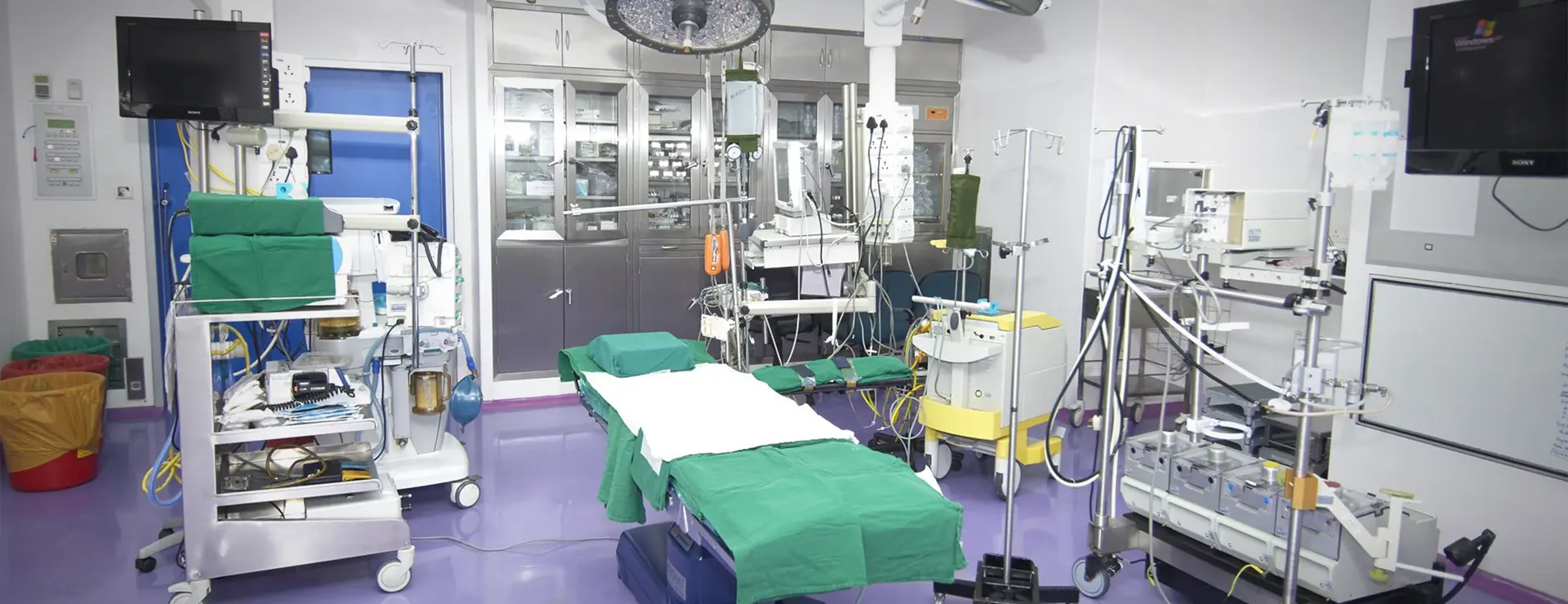
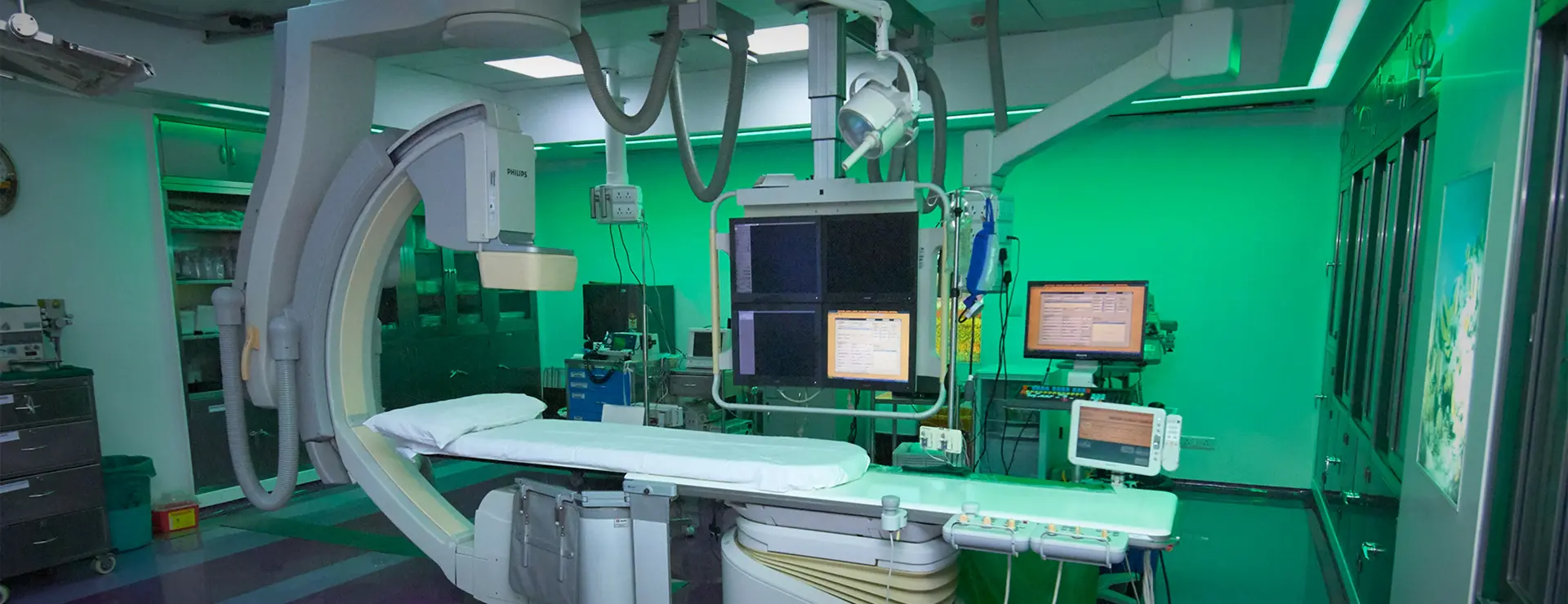
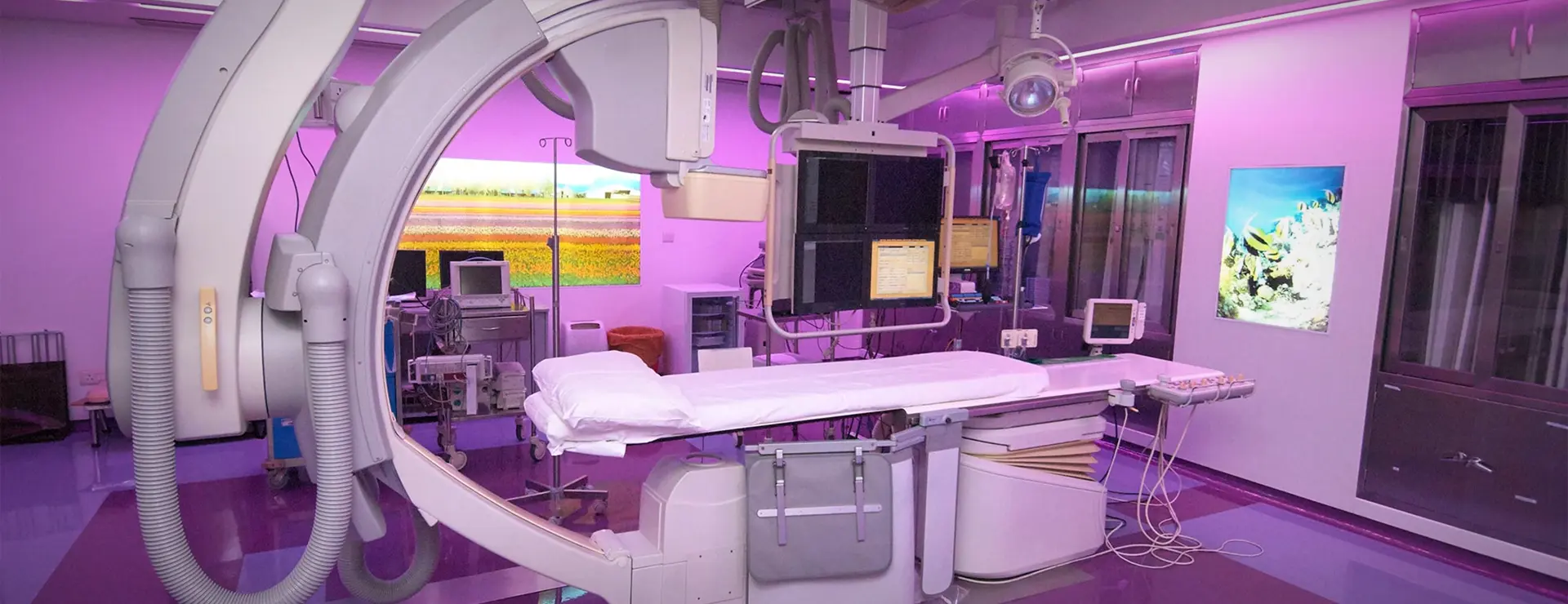
At Asian Heart Institute, even complex heart surgeries like heart transplants are performed with high precision by globally recognized and top cardiac surgeons in Mumbai. Advanced cath labs and world-class patient monitoring systems enhance the success rate of such life-saving procedures. Our state-of-the-art technology, strict safety protocols, and dedicated cardiac care teams ensure superior surgical outcomes, faster recovery, and exceptional patient safety.Image Gallery



FAQs
The transplant process is well-regulated by the government. A waiting list is maintained by a government body called the Zonal Transplant Coordination Center (ZTCC). Allocation of the donor heart is done by ZTCC as per laid-down rules. Patients need to be investigated thoroughly to be put on the waiting list
A heart transplant is a complex open-heart surgery performed under general anesthesia, where the diseased heart is removed and replaced with a healthy donor heart using a heart–lung bypass machine. The surgery lasts several hours, followed by a 3–5 day ICU stay with strict isolation and continuous monitoring. Multiple catheters, drains, and supportive devices are placed to ensure stable circulation, infection control, and optimal healing. Patients must report to the hospital within hours of a donor heart becoming available.
In addition to helping the patient avoid stress and effort before surgery, caregivers may support the patient by being available for post-operative care and surgical procedure counselling. For patient care, a family member or caregiver may need to remain in the hospital for 7 to 14 days, or even longer, until the patient is discharged. They should aid with wound care, make sure that activity limitations are adhered to, keep an eye out for warning signs like fever, fluid retention, breathing problems, or chest discomfort, and assist the patient in attending follow-up appointments. Throughout the recovery process, they must encourage healthy lifestyle choices and aid in cardiac rehabilitation programs.
After a heart transplant, patients must keep the incision area clean and dry, avoid driving or strenuous activity until medically cleared, and strictly follow all medication schedules, especially lifelong anti-rejection drugs. Frequent follow-up visits are essential, including blood tests, X-rays, and routine right-heart biopsies—initially once a week or every two weeks, gradually reducing to monthly or longer as recovery progresses. Because immunity remains low, patients must avoid crowds, watch for signs of infection or rejection such as fever or breathing difficulty, and participate in long-term rehabilitation and dental care as advised by the transplant team.
In 2011, I thought it was the end of my active life. But after my Angioplasty, I started running marathons!

Harshad Sheth
Patient
Not sure how to get started?
We are here to help you. To start the process get in touch with our team to get your queries addressed. We get back to you soon to help to start your heart care journey with us.
Quick QueryOur Specialists
View All
Dr. Ramakanta Panda
Cardiac Surgeon, Founder & Chairman
We want to give patients the three most invaluable gifts of life - Hope, Healing and Happiness.
Know
Dr Tilak Suvarna
Cardiologist
At AHI, we never say no. It is our moral and ethical duty to do our best for patients.
Know
Dr. Asifa Shaikh
Assistant Medical Administrator
After every patient is healed, earning their trust is our highest reward and the most fulfilling.
Know