Cutting-edge Facilities Under One Roof
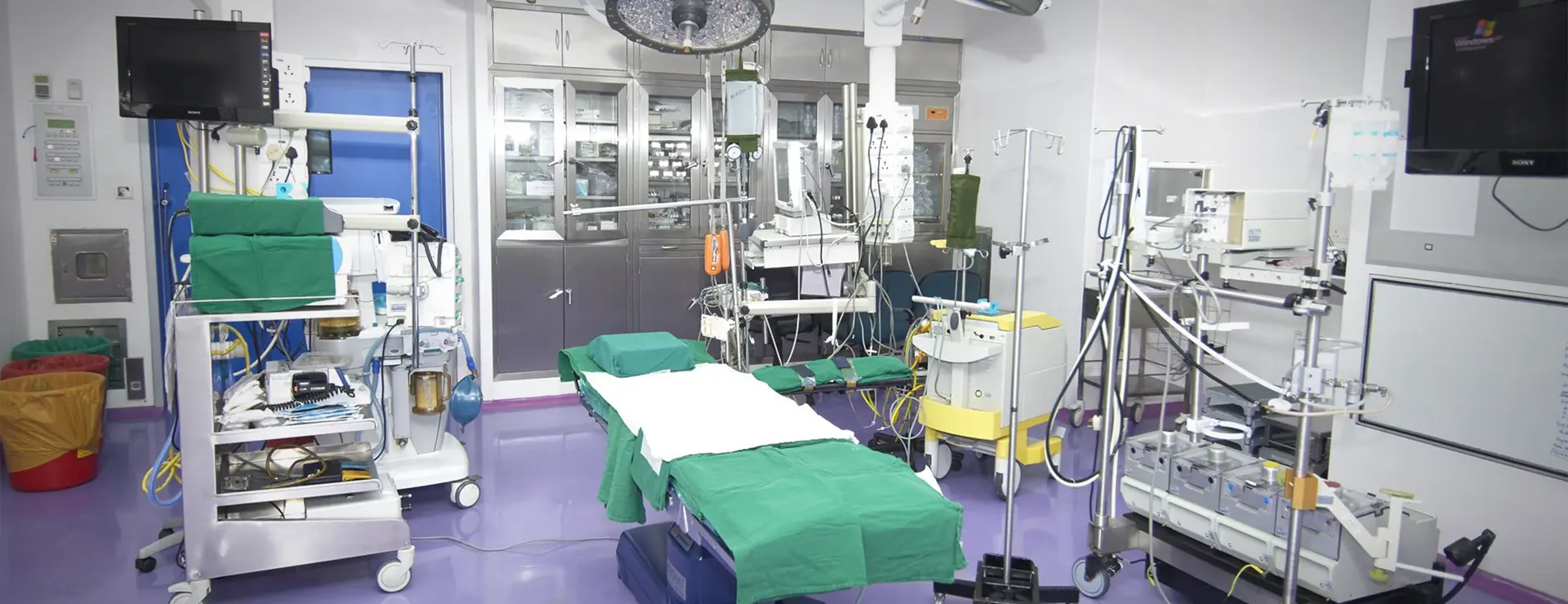
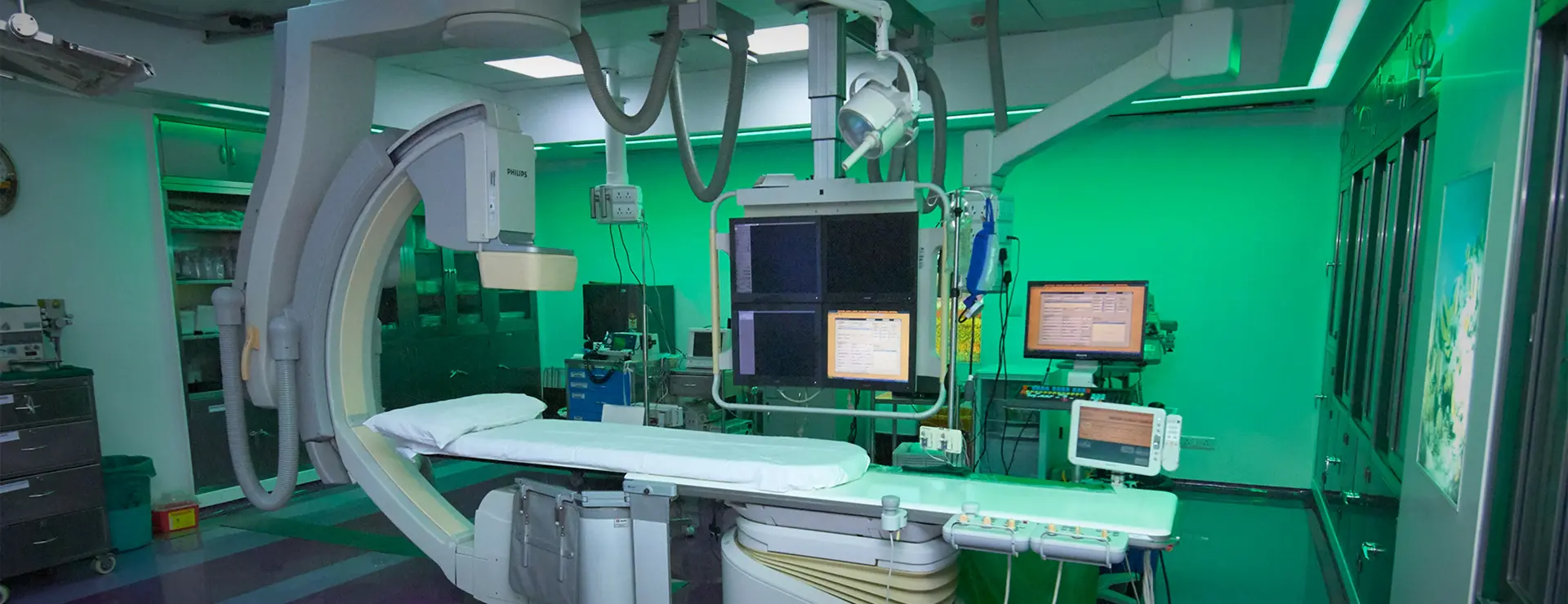
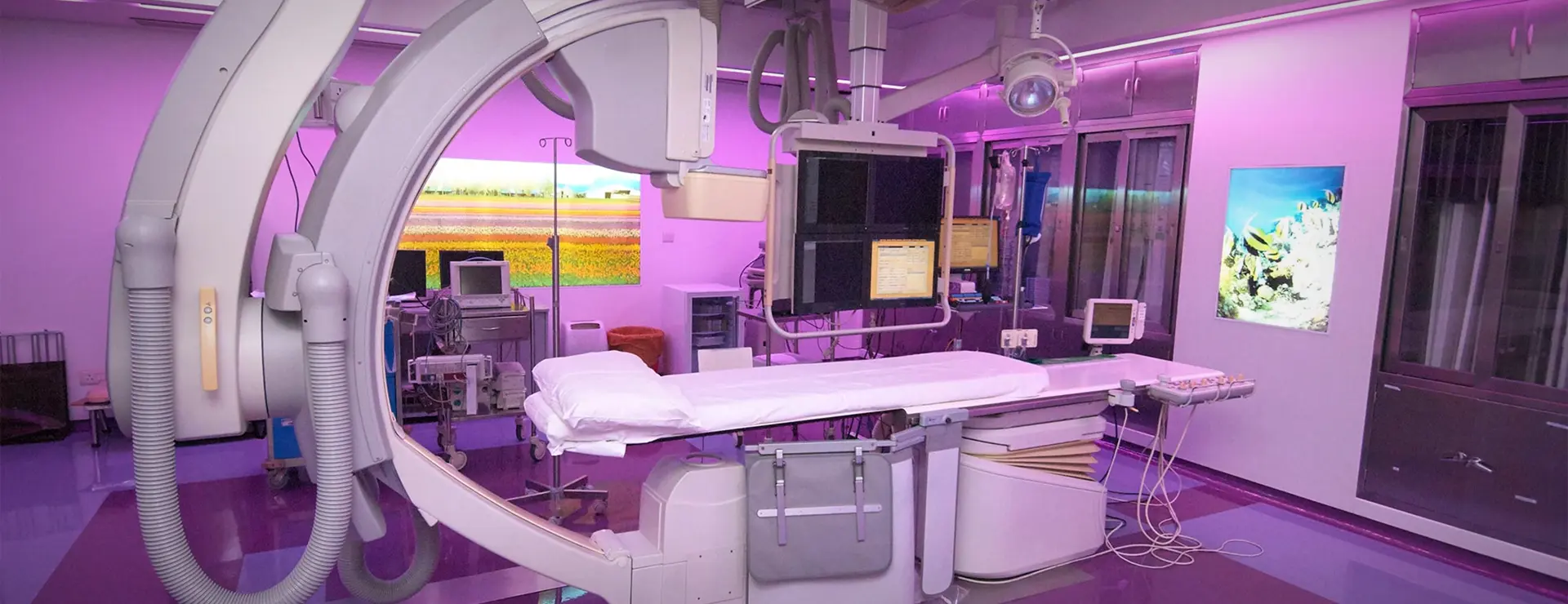
Our advanced healthcare complex with eight operating theatres equipped with state-of-the-art negative pressure systems, Cathlab, MRI, and CT Scan, offers all services under one roof.
World Class Expertise in Surgery
A highly trained surgical team, with international fellowships in Congenital and Neonatal Surgeries from prestigious institutions and experience treating Grown-up congenital heart (GUCH) conditions.
Quick Recovery and Shorter ICU and Hospital Stays
Only 2 days in the ICU with fewer re-intubations and readmissions and an average hospital stay of around 6 days, reflect our commitment to providing high-quality care and reduced recovery time for patients.
Every treatment is customized to the needs of the patient and backed by the best heart surgeons, like Dr. Ramakanta Panda (47 years of experience and a milestone of completing 29,000 Cardiac Surgeries, including more than 2,000 redo surgeries and over 6,000 high-risk surgeries), to improve heart function.
What Is Congenital Heart Defect (CHD) Repair?
CHD repair involves surgical or catheter-based procedures to resolve structural heart issues present at birth. The problems may range from holes (e.g., septal defects) to valve issues to vessel abnormalities (e.g., coarctation). The main aim of these interventions is to normalize blood flow and heart function.Congenital Heart Defect (CHD)
These are the structural problems with the heart or adjacent blood vessels present at birth. CHD affects how blood flows through the heart and body: These defects may range from minor (like a small hole) to severe (missing parts).Here are Some of the Types of CHD
- Holes in the Heart (Septal Defects), like Atrial Septal Defect (ASD), Ventricular Septal Defect (VSD), etc.
- Valve Problems like Aortic Stenosis, Pulmonary Stenosis, etc.
- Major Artery and Vessel Issues like Coarctation of the Aorta (CoA), Patent Ductus Arteriosus (PDA), etc.
- Complex Defects like Tetralogy of Fallot (ToF), Hypoplastic Left Heart Syndrome (HLHS), etc.
When a Best Heart Doctor Can Recommend (CHD) Repair
The best cardiac doctor will properly study the symptoms in detail and then decide if the child or person meets the criteria for (CHD) repair.- When the defect poses a risk to a long-term health condition.
- Abnormal blood flow leading to fatigue, breathlessness, or fainting.
- To prevent stroke or any other possible complications.
- Interfere with a normal child’s growth.
- If the infant shows signs of bluish skin or lips (cyanosis), fast breathing, poor feeding, fatigue, poor weight gain, etc.
- Older children or adults show signs of breathlessness, chest discomfort, fainting, abnormal heartbeats, etc.
Types of (CHD) Repair
Based on the type and severity of the defect, the doctor may recommend any of the following procedures:A. Catheter-Based (Minimally Invasive) Procedures
It involves the use of a thin tube known as a catheter inserted into the blood vessels. This helps avoid the chances of open heart surgery.B. Open-Heart Surgical Repair
When catheters are insufficient, surgical options that involve cardiopulmonary bypass for stitches or patches to fix defects can be considered.C. Complex Surgical Staging
It involves a series of operations for severe defects such as hypoplastic left heart syndrome.Hypoplastic left heart syndrome is a severe congenital heart defect where the left side of the heart (such as the left ventricle, mitral valve, aortic valve, and aorta) doesn't develop normally.
D. Other Treatments
It may involve:- Medications to help manage symptoms
- Pacemakers or ICDs to address rhythm issues
- Heart transplant, when other treatment fails
Advanced Diagnostic and Treatment Services
- Precision, Minimally Invasive Techniques
- Personalized Planning
- 3D Echocardiography for Real-time 3D Image
- 3D Visualization and Printing
- Catheter-Based Interventions
- Robotic-Assisted Surgery
Why Choose Asian Heart Institute for Congenital Heart Defect Repair
Because of our following qualities:- Specialized cardiac expertise
- Advanced infrastructure tailored for both catheter-based and surgical repairs.
- Experienced surgeons with fellowships in congenital and neonatal heart surgery handle complex cases.
- Advanced diagnostic services like 3D visualization and printing, cardiac MRI and CT scans, fetal echocardiography, etc.
- Robotic-assisted options.
- Comprehensive and holistic postoperative support.
- 4,25,000+ patients treated.
- Fetal Cardiac Intervention
- 99.83 % success rate.
- Successful 5,000+ complex surgeries.
- 24x7 Emergency, ambulance, and ICU services.
Book a Consultation / Contact Us
- Phone: +91 22 6698 6666
- Email: info@ahirc.com
- Helpdesk: +91 22 6698 6662
- Teleconsultation: +91 98200 27691
FAQs
Q1: What is the most common treatment for congenital heart defects?A: The treatment depends on the severity and type of defect. The best doctor may recommend cardiac catheterization (minimally invasive) for simpler issues such as holes or narrow valves. But for complex issues (like hypoplastic left heart syndrome), open-heart surgery can be considered.
Q2: Can a hole in the heart be repaired?
A: Usually, small holes can close by themselves, and a doctor may recommend medicine to manage symptoms. Yes, the holes can be repaired through minimally invasive procedures based on the hole's size, type, and location.
Q3: What is the recovery time for congenital heart defect repair?
A: The recovery time may vary based on factors like procedure type, defect complexity, patient age, and overall health. For simpler cases, significant recovery can be observed in 4-6 weeks, and for complex ones, it can take up to 2-3 months.
Q4: Which congenital heart defects require surgery?
A: Whether the defect requires surgery or not will be decided by the doctor based on the type, severity and other individual conditions. Some of the defects that may require surgery are tetralogy of fallot (TOF), coarctation of the aorta (CoA), hypoplastic left heart syndrome (HLHS), etc.
Q5: What is the success rate of congenital heart defect surgery?
A: The success rate may vary based on defect type, severity, patient age, treatment type and other individual factors. The overall success rate may range from 90% to 95% when done with advanced technologies, like in the Asian Heart Institute.
Image Gallery



How to Prepare for this Procedure
Confirmed ECHO diagnosis before the procedure. The patient should be free of infections - cold cough or fever.
It is either an Open-Heart Surgery or a Closed Heart Surgery. 90% of the time it is an Open-Heart Surgery. The child is put on a heart lung machine and the defects are corrected surgically.
- Maintaining good hydration and nutrition before the procedure.
- During the procedure, because the child is in the ICU, maintaining overall good hygiene in and around the child.
- Regular follow-ups for wound care as prescribed, continuing the medication prescribed and echo follow-up after a month.
- Maintaining good nutrition, hydration and hygiene at home and avoiding crowded places for 6 weeks.
- If multiple children are at home, then distancing them from the operated child.
Regular strict ECHO follow-up for a year and then as per the advice of the treating Doctor.
The nature of the child’s cardiac defect determines this. We insist on ECHO follow-up.
In 2011, I thought it was the end of my active life. But after my Angioplasty, I started running marathons!

Harshad Sheth
Patient
Not sure how to get started?
We are here to help you. To start the process get in touch with our team to get your queries addressed. We get back to you soon to help to start your heart care journey with us.
Quick QueryOur Specialists
View All
Dr. Ramakanta Panda
Cardiac Surgeon, Founder & Chairman
We want to give patients the three most invaluable gifts of life - Hope, Healing and Happiness.
Know
Dr Tilak Suvarna
Cardiologist
At AHI, we never say no. It is our moral and ethical duty to do our best for patients.
Know
Dr. Asifa Shaikh
Assistant Medical Administrator
After every patient is healed, earning their trust is our highest reward and the most fulfilling.
Know