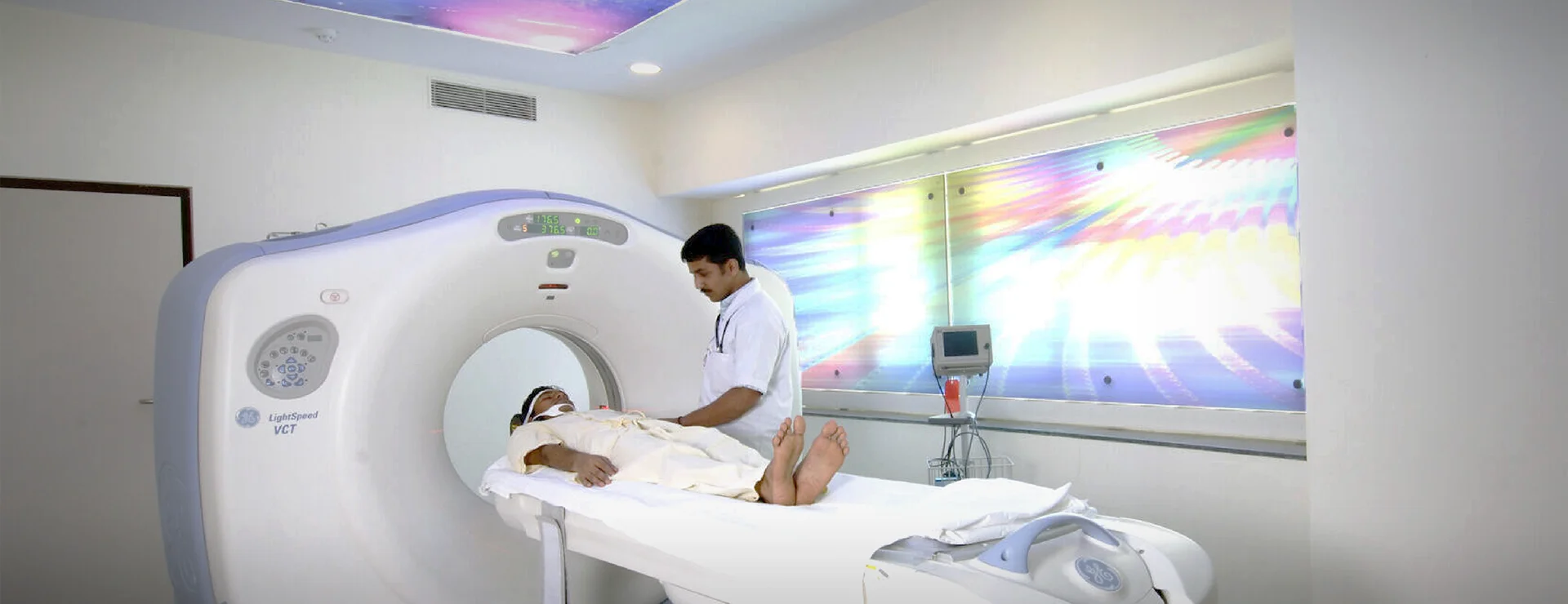
Cutting-Edge Therapies for Enhanced Eye Health
Our expert Ophthalmologists offer innovative therapies and personalised care to enhance eye health and improve quality of life.
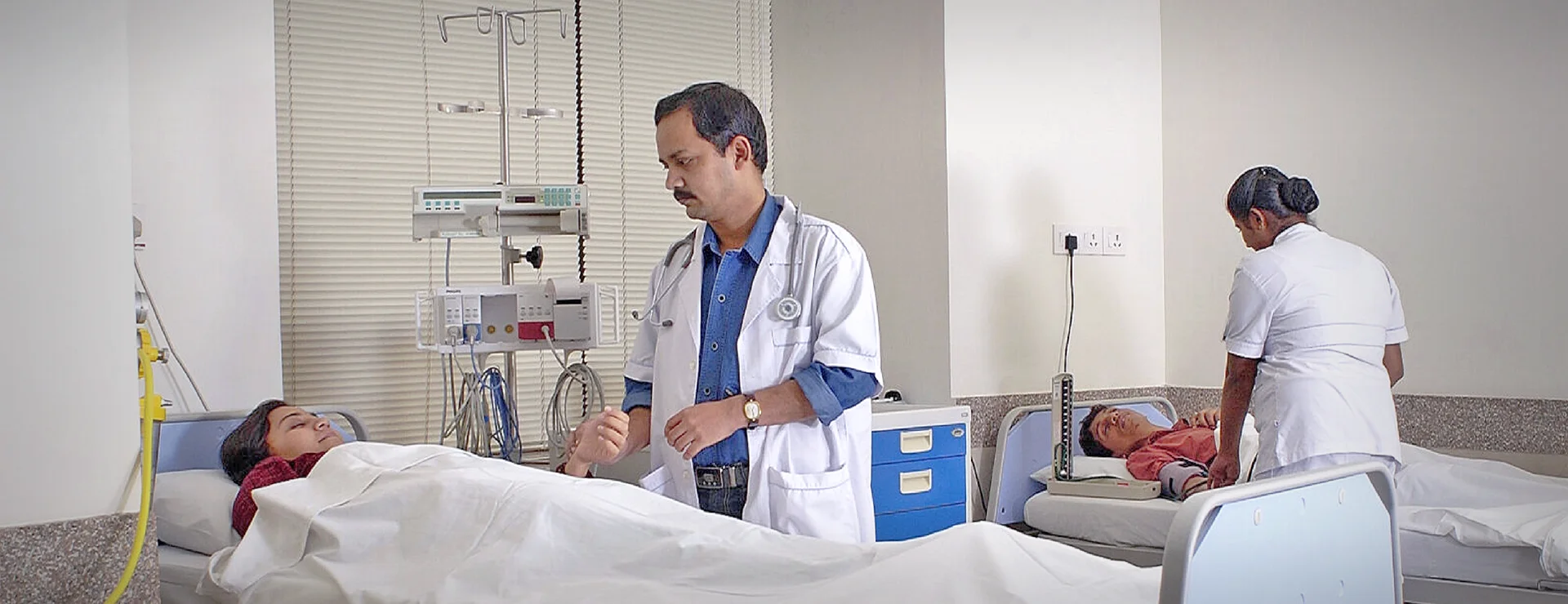
Personalised Support for Recovery
We prioritise understanding each patient’s condition, developing tailored treatment plans and providing ongoing support for recovery.
Ethical and Knowledge-Based Medical Advice
Our medical advice is rooted in ethical principles and the latest scientific knowledge, ensuring reliable and effective care.
Quick Query
Enter your full name and phone number to get a quick resolution to your recovery. Our team will contact you at earliest.
About Our Ophthalmology Department
Are you looking for the best ophthalmologists in Mumbai? Look no further than the Ophthalmology Department at AHI.
The Department of Ophthalmology at the Asian Heart Institute (AHI) follows the research-backed approaches supported by highly advanced equipment for preventive, screening, diagnostic, therapeutic, and surgical care of eye conditions and disorders.
AHI is associated with the top ophthalmologists in Mumbai, who provide highly effective comprehensive care for chronic (long-standing and slowly progressing) and acute (sudden-onset and rapidly progressing) eye problems.
Our team offers effective medical, cutting-edge laser, and minimally invasive surgical procedures depending upon the circumstances. One can get high-end care for all eye disorders, including simple (like refractive errors), complex (like retinal disorders), vision-threatening (like glaucoma), common (like cataracts), and rare (like ocular tumors) eye conditions.
Scroll down to learn more about the conditions we treat and the services we provide.
Conditions We Treat
The following are the common conditions that are treated at the Ophthalmology Department of AHI:
- Refractive disorders/refractive errors: Problems like nearsightedness or farsightedness that cause blurred vision and are corrected with glasses or contact lenses.
- Cataract: Clouding of the eye’s natural lens that leads to gradual, painless loss of vision.
- Excessive tearing (tear duct obstruction): Blockage in the tear drainage system causing constant watering of the eyes.
- Proptosis (bulged eyes): Abnormal forward bulging of one or both eyes, often related to thyroid or orbital diseases.
- Graves’ ophthalmopathy: An autoimmune thyroid-related condition causing eye bulging, dryness, redness, and vision problems.
- Eye tumors: Benign or malignant tumors affecting the eye or surrounding structures.
- Ptosis: Drooping of the upper eyelid that may interfere with vision.
- Diabetic retinopathy: Damage to the retina caused by long-standing diabetes, leading to vision loss if untreated.
- Dry eye syndrome: Reduced tear production or poor-quality tears causing irritation, burning, and blurred vision.
- Glaucoma: Increased pressure inside the eye that damages the optic nerve and can cause permanent vision loss.
- Age-related macular degeneration is a disease that affects central vision and makes it hard to read and recognize faces.
- Retinal detachment: Separation of the retina from the back of the eye, which is a medical emergency.
- Endophthalmitis: A severe internal eye infection that can occur after surgery or injury and threatens vision.
- Strabismus: Misalignment of the eyes where they do not point in the same direction.
- Uveitis: Inflammation inside the eye that can cause pain, redness, and vision loss.
- Eye injury: Trauma to the eye caused by accidents, chemicals, or foreign objects.
- Globe rupture: A serious eye injury where the outer wall of the eye is broken.
- Orbital fracture: A break in the bones around the eye, often due to facial trauma.
- Episcleritis: Mild inflammation of the outer white layer of the eye, usually causing redness and discomfort.
- Conjunctivitis: Inflammation or infection of the eye’s outer membrane, commonly known as “pink eye.”
- Pediatric eye disorders: Eye conditions affecting children, such as lazy eye, squint, or congenital cataracts.
- Uveitis: Autoimmune-related inflammation inside the eye.
- Graves’ ophthalmopathy: Autoimmune eye disease linked to thyroid disorders.
- Scleritis: Painful inflammation of the white part of the eye associated with autoimmune conditions like rheumatoid arthritis.
- Dry eye related to Sjögren’s syndrome: Autoimmune condition causing severe dryness of eyes and mouth.
Advanced Diagnostic & Treatment Services
The following are the diagnostic services available for ophthalmology disorders at the Ophthalmology Department at AHI:
- Visual acuity assessment: Measures how clearly a person can see at various distances using standardized eye charts.
- Ocular tonometry: It is done to determine intraocular pressure (fluid pressure inside the eyes).
- Extraocular motility and ocular alignment assessment: Evaluates eye movements and alignment to identify muscle- or nerve-related disorders.
- Slit lamp examination: This test uses a high-powered microscope to look closely at the front parts of the eye.
- Dilated fundus examination: Allows detailed evaluation of the retina, optic nerve, and blood vessels after pupil dilation.
- Gonioscopy: Examines the drainage angle of the eye to classify and manage different types of glaucoma.
- Refraction: Determines the appropriate lens power needed to correct refractive errors and improve vision.
- Optical coherence tomography (OCT): It is advised to examine the ocular structures and analyse the extent of damage in case of diabetic retinopathy, age-related macular degeneration, and glaucoma.
- Optical coherence tomography angiography (OCTA) and fluorescein angiography: These tests are advised to examine the vessels supplying blood to the internal structures of the eye.
- Electroretinography (ERG): It is advised to measure the electrical responses of various cell types in the retina.
- Electrooculography (EOG): This test helps in recording eye movements.
Visual field testing: This test is done to detect visual dysfunction due to medical conditions. - Corneal topography: It is a non-invasive medical imaging technique for mapping the corneal curvature.
- Ultrasonography: This test uses sound waves to detect structural problems in the eyes.
The following are the treatment services available for ophthalmology disorders at the Ophthalmology Department at AHI:
- Cataract surgery
- Glaucoma surgery
- Refractive surgery
- Cancer treatment
- Reconstructive surgery
- Treatment for chronic or severe tear duct infections or blockages
- Neoplasm (tumor, cyst, or foreign object) removal
- Monitoring or consulting on cases relating to other medical conditions, such as diabetic retinopathy or autoimmune conditions
- Repairing torn or detached retinas
- Corneal transplants
- Intravitreal injection to manage retinal and macular conditions
Why Choose Asian Heart Institute for Eye Care?
Our leading ophthalmologists in Mumbai are efficient in providing advanced eye care for a wide range of eye disorders, enabling us to offer the highest standard of treatment and access to innovative therapies. Our commitment lies in providing comprehensive and individualized eye care, thereby enhancing the overall quality of life of our patients.
We prioritize the ethical protocols, evidence-based practices, and latest research-driven medical care treatment, supported by advanced medical infrastructure, for providing the highest standard of care. Choose AHI for the best ophthalmologist in Mumbai and experience the difference.
FAQs
Q1: Are intravitreal injections painful?
A: In most cases, intravitreal injections are not painful. Most patients report feeling just slight pressure or momentary discomfort rather than pain during the operation since the eye is numbed beforehand.
Q2: Can vision loss due to diabetic retinopathy be prevented?
A: Good blood sugar control, frequent eye exams, prompt retinal interventions, and early action upon detection of abnormalities can often prevent or delay vision loss.
Q3: What precautions are advised after cataract surgery?
A: Avoid rubbing the eye, safeguard it from dust and water, use the recommended eye drops as advised, and do not miss your follow-up visits.
Q4: What is ocular tonometry, and can it damage my eyes?
A: The measurement of intraocular pressure is done with ocular tonometry, which is a simple, safe, and quick procedure that does not damage the eyes. In certain cases, patients may experience mild temporary discomfort.
Q5: Is LASIK surgery available at AHI?
A: Yes, LASIK and other refractive surgery options are available at AHI, subject to a detailed eye evaluation to determine suitability.

Rajiv Lad
Patient
I got an honest opinion from my cardiac surgeon and believe me, that’s what gave me the confidence to go through with my operation.
Not sure how to get started?
We are here to help you. To start the process get in touch with our team to get your queries addressed. We get back to you soon to help to start your heart care journey with us.
Quick QueryWhat can Asian Heart Institute do for you?
Learn More
Book an Appointment
Our expert doctors advise you on 25+ specialties like Cardiology, Pulmonology, Diabetology, and more
Explore Now
Procedures
Top surgeons and specialists with years of experience in providing high-quality care to patients
Image Gallery